The way DNA folds inside the nucleus of brain cells may hold the key to understanding a devastating form of brain cancer called glioblastoma, suggests a new preclinical study from Weill Cornell Medicine researchers.
Provost Kavita Bala and professors Anurag Agrawal and Dr. M. Virginia Pascual have been elected to the American Academy of Arts and Sciences, the academy announced on April 23.
A conference May 5-7, “The Biopolitics of Global Health After Covid-19,” will combine biopolitical and anthropological inquiry to spark a cross-disciplinary dialogue about (post-) pandemic discourses and practices of global health.
Researchers found that home care workers, care agency staff and worker advocates lack understanding of AI technology, its data usage and the reasons AI systems retain their information.
A new study from Weill Cornell Medicine provides insights into how cells maintain the tiny end caps of chromosomes as they divide, a key process in keeping cells healthy.
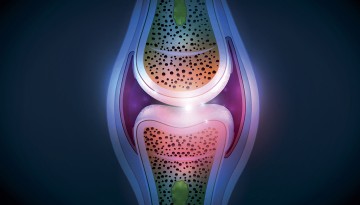
The same protein accumulates in the joints of both dogs and humans after ACL injury, which means using dogs as a model for study may vastly accelerate advances in understanding of both ACL injury and post-traumatic osteoarthritis.
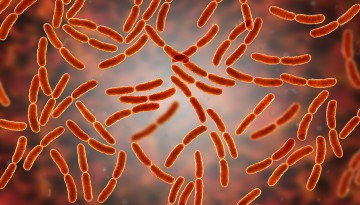
Bacteria naturally present in the human intestine can transform cholesterol-derived bile acids into powerful metabolites that strengthen anticancer immunity by blocking androgen signaling, according to a preclinical study.
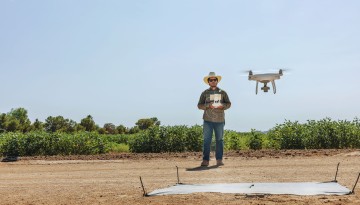
A new study, published in Global Change Biology, presents five case studies that demonstrate how deep collaboration can transform crop monitoring, fertilizer use and water management to tackle the most significant challenges facing farming: water status, fertilizer systems and phosphorus recovery.
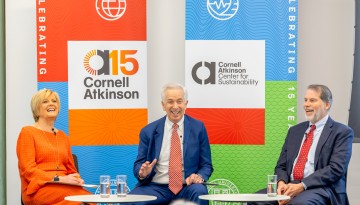
The Cornell Atkinson Center for Sustainability’s 15th-anniversary conference addressed past successes and future efforts to support climate and sustainability.