The Office of Faculty Development is using remote conferencing technology sessions to hold faculty workshops during the Coronavirus on topics ranging from what's next in academic book publishing to how to write an op-ed.
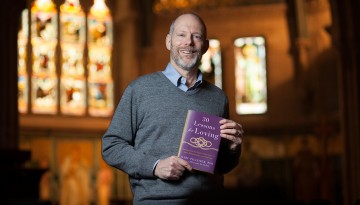
When gerontologist Karl Pillemer began interviewing the oldest Americans in 2003, he could not have known he would one day be sharing their advice on living through crisis in the midst of a global pandemic.
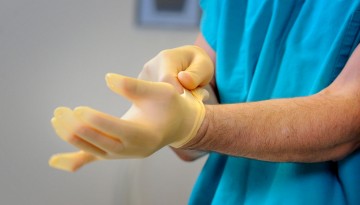
As hospitals across the country try to manage a surge in coronavirus patients while also facing a global shortage in the protective gear needed to treat them, the Cornell community has banded together to donate crucial medical supplies to local health care providers.
People who tend to recognize similarities between people they know and people depicted in the media are more likely to believe common myths about sexual assault, according to Cornell research.
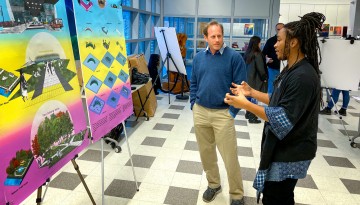
Cornell graduate students studying landscape architecture examined Ossining, New York – a town on the rising Hudson River last fall, and presented ideas for climate-change adaptation.
More than 150 attendees – including Cornell alumni and students from the classes of 1967 through 2022 – converged in New York City on March 5 for the inaugural Women in Entrepreneurship Conference.
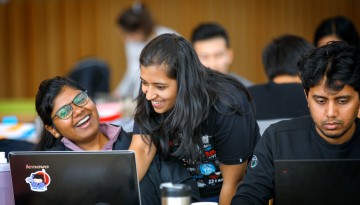
Students in fields ranging from computer science and engineering to business, agriculture and animal science convened at the second Digital Agriculture Hackathon, Feb. 28-March 1, with a shared purpose: to combine their disparate skills to brainstorm ways to make the world a better place.
Soil scientist Johannes Lehmann and Nathaniel Stern ’99 collaborated on experimental pyrolysis techniques to “age” modern technology and media – cellphones, laptops, tablets, floppy disks – for Stern’s art exhibit in Milwaukee.