In a new book, “Purpose in Life as Ancient but Nascent,” psychology professor Anthony Burrow and colleagues explore purpose through the lens of psychology, philosophy and human development to help readers cultivate a sense of purpose.
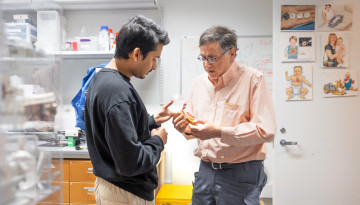
The federal research funding supporting projects across the university, including the development of a pediatric heart pump, has been restarted, but those lost months of work will have a lasting impact.
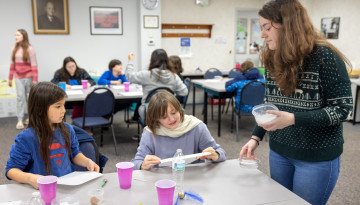
An enrichment program strengthens teenagers’ communication skills, goal-setting and connection to community, with components for both youth and their caregivers.
Jeanne Mueller, a professor emerita in the College of Human Ecology (CHE) who advised the U.S. and foreign governments on social services, died Nov. 2 in Rochester, New York. She was 100.
The Cornell Center for Social Sciences offers multiple grants to help Cornell faculty maximize their research impact. These awards help seed ambitious projects and provide support to teams of faculty applying to major external funding and collaboration opportunities.
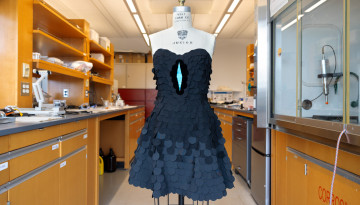
The color “ultrablack” has a variety of uses, including in cameras, solar panels and telescopes, but it’s difficult to produce and can appear less black when viewed at an angle. A Cornell lab has devised a simple method for making the elusive color.
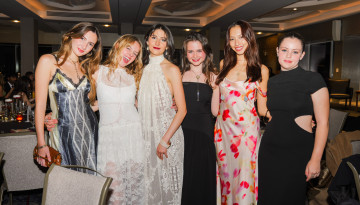
A festive black-tie gala brought together fashion industry star power, networking opportunities and Cornell fashion students wearing shimmering gowns and fashion-forward tuxedos.