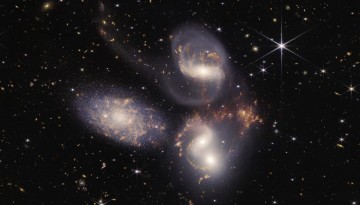
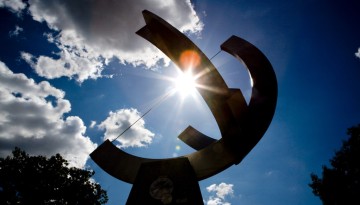
“Gas-trophysics Across the Universe,” a July 15 symposium organized by Cornell's Friends of Astronomy, will celebrate the work and lives of renowned Cornell astronomers Peter Gierasch and Riccardo Giovanelli.
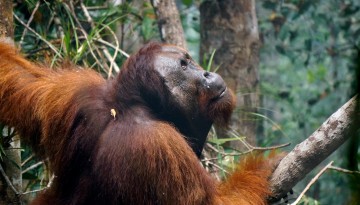
For months following peatland wildfires in Borneo, the behavior and voices of critically endangered orangutans change, according to a new study led by a researcher from the Cornell Lab of Ornithology.
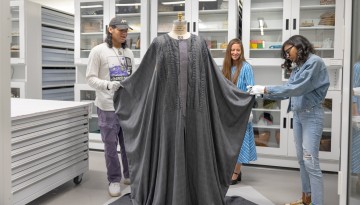
The majestic robe owned by the iconic fashion editor André Leon Talley is the latest of several acquisitions that further diversify the Cornell Fashion + Textile Collection.
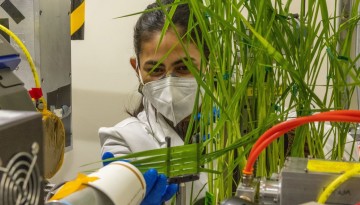
The Cornell High Energy Synchrotron Source (CHESS) is set to host the Pan American Light Sources for Agriculture conference (PALSA) July 11-14. Registration is still open.
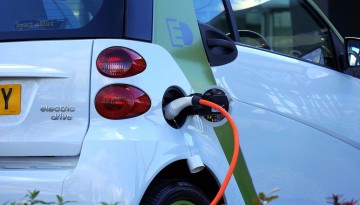
New Cornell research shows the metaverse – a virtual 3D environment in which the physical and digital worlds converge – could have environmental benefits: lowering the global surface temperature by up to 0.02 degrees Celsius before the end of the century.
Cornell Engineering has announced its first three GE Aerospace Master of Engineering Fellows, who will each receive paid tuition for a one-year M.Eng. degree as well as an optional paid internship at GE Aerospace.
Cornell is one of four higher-education institutions in a new $12 million partnership with Google aimed at establishing New York City as the world leader in cybersecurity.
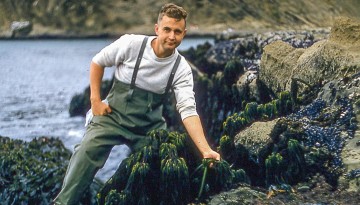
John Kingsbury, professor emeritus of botany, who developed a small island in the Gulf of Maine into an living classroom for students eager to learn about the sea, died May 27 in Vermont.