A new research project co-led by Cornell Engineering aims to unravel the physical limits of cell size in budding yeast, with the ultimate goal of learning more about how cells, the fundamental units of life, modulate size control during evolution.
Employees who are not in positions of power can become more creative when given time to “warm up” to a task by engaging in the creative task more than once.
A nonsectarian Service of Remembrance, to be held April 27 at 3:30 p.m. in Sage Chapel, will honor the lives of students, staff and faculty who have died in the past year.
Expert panelists Thomas Garrett and Damon Wilson will examine the threats democracies around the world are confronting, and what governments and citizens can do to fight back, on April 24.
A trio of short films showing the pleasures – and perils – of rural life for LGBTQ+ people will show April 26 as part of the Rural Humanities Initiative in the College of Arts and Sciences.
The Green Technology Innovation Fellowship will prepare participants to launch their own startups or serve as leaders in the global transition to clean energy and technology.
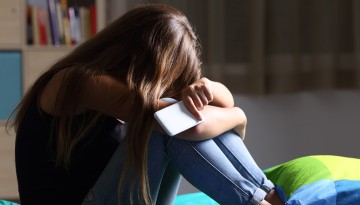
Youth in the United States are targets of cross-platform digital abuse from peers, strangers, offline acquaintances and even relatives, with threats ranging from harassment and sexual violence to financial fraud, according to a new collaborative study and call-to-action from Cornell and Google researchers.
Cornell University Library will celebrate the 400th anniversary of Shakespeare's First Folio, a posthumous publication of his collected plays, by displaying its copy at a special one-day event on April 21.
The new CALS Navigator program supports undergraduate students in the transition from high school or a transfer college to Cornell and through graduation