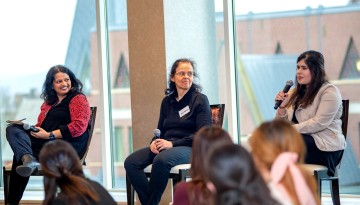
Cornell AgriTech and extension representatives made suggestions regarding the next federal farm bill to congressional leaders at a two-hour listening session at the Broome County office of Cornell Cooperative Extension.
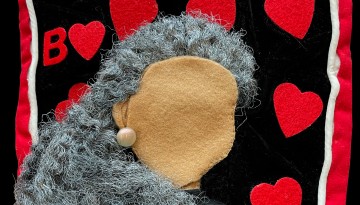
Cornell University Library has launched a new exhibit that celebrates the African American tradition of quilt making as expressions of artistry, history and community.
Cornell University Press and the Graduate School have partnered to create a flexible on-campus summer internship to offer humanities graduate students the chance to experience firsthand the work of an acquisitions professional.
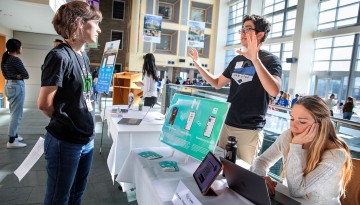
After a three-year hiatus, Bits On Our Minds, a showcase of cutting-edge digital technology projects created by Cornell students, returns to campus for its 25th anniversary. The event will be held 4-6 p.m. on Thursday, April 27, in Duffield Hall atrium.
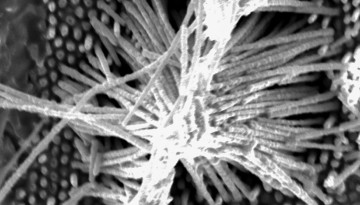
Researchers used thermomechanical nanomolding to create single-crystalline nanowires that enable metastable phases that would otherwise be difficult to achieve.
The significance, history and challenges of free expression and academic freedom will be explored as a featured theme throughout the 2023-24 academic year, President Martha E. Pollack will announce April 17.