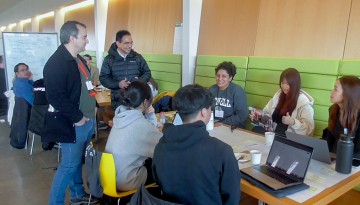
The Cornell Institute for Digital Agriculture Hackathon, an all-weekend event, drew 150 undergraduate and graduate students from most of Cornell’s schools and colleges to the College of Veterinary Medicine.
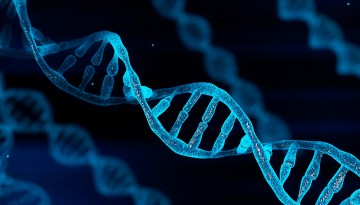
Obesity may spur DNA damage in the breast tissue of women who carry BRCA1 or BRCA2 mutations, possibly contributing to breast cancer development in this already high-risk group, according to new multi-institutional translational research led by Weill Cornell Medicine scientists.
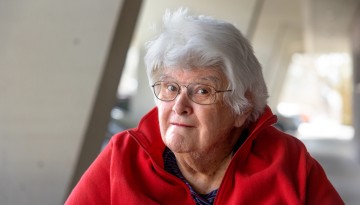
Rossiter's work changed history and shed light on the many ways women were involved in the advancement of science, as well as how they were pushed out of the field.
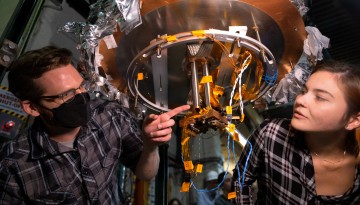
Accelerator physics has revealed hidden universes, from the Higgs boson to what can be seen on a CT scan – and much of that progress is thanks to work done in an unassuming building tucked away on Cornell’s North Campus: Newman Lab.
Intensive study of Oumuamua after its 2017 detection helped astronomer Darryl Seligman find potential “dark comets” in our solar system – small bodies that look like asteroids but act like comets.
Natural language models such as ChatGPT and GPT-4 open new opportunities for malicious actors to influence representative democracy, new Cornell research suggests.
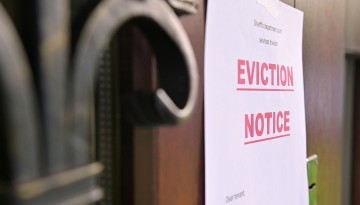
New York state saw a resurgence of eviction proceedings after a nearly two-year moratorium ended in early 2022, with rates that year exceeding pre-pandemic levels in 40 of 62 counties, according to an ILR School analysis of census and court data.