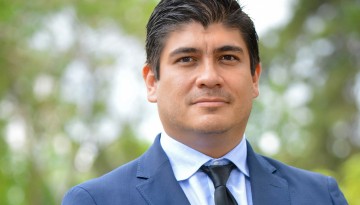
Carlos Alvarado Quesada, former president of Costa Rica, will give the Bartels World Affairs Lecture on Wednesday, March 22, at 6 p.m. in the Alice Statler Auditorium.
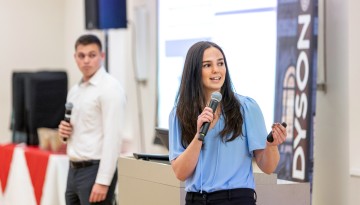
Students working to support local Indigenous heritage, dairy farmers, formerly incarcerated people and entrepreneurs in Uganda and Ithaca competed for a total of $7,500 in prize money that will fund their community collaborators.
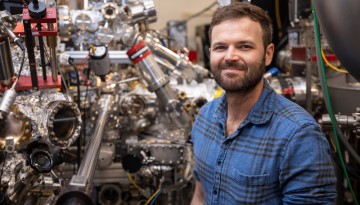
A world expert at using mechanical strain to precisely manipulate the properties of materials, Malinowski is particularly interested in superconductors.
The program seeks to nurture the careers of Cornell’s most promising faculty members in the social sciences by providing time and space for high-impact social scientific scholarship.
More than a third of cisgender women and half of respondents who identify as transgender or other gender identities reported experiencing sexual harassment in the workplace, according to a new ILR School Worker Institute report.
Cornell Engineering faculty and alumni are reimagining design approaches to the materials that make up the world around us to mitigate unintended social and environmental consequences.
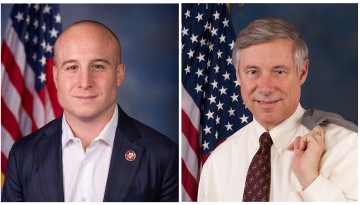
Former members of Congress Max Rose and Fred Upton will discuss steps for countering political extremism and restoring civil discourse. Rose, a Democrat from New York, and Upton, a Republican from Michigan, will speak Tuesday, March 21 at an on-campus event open to all.