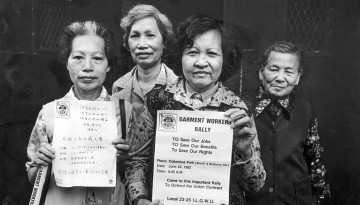
The exhibit “Social Fabric: Land, Labor, and World the Textile Industry Created,” features people and places that supported the textile industry in the U.S. throughout the 19th and 20th centuries.
On Oct. 26, Cornell administrators will sign the Okanagan Charter, a formal pledge to promote health and well-being across all facets of university life.
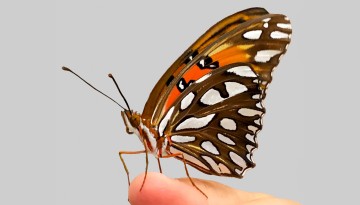
Butterfly wing patterns have a basic plan to them, which is manipulated by non-coding regulatory DNA to create the diversity of wings seen in different species, according to new research.
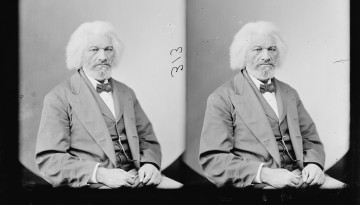
Derrick R. Spires, Edward Baptist, and Gerard Aching add their voices to a chorus of experts telling the story of how a man born into slavery around 1818 became an advocate for freedom for African Americans.
The New Muses Project is a platform that provides recommendations of composers based on a person’s current preferences, with a focus on composers that have been historically excluded from the canon.
The research from the Boyce Thompson Institute focuses on neurotransmitter serotonin, which carries messages between nerve cells and is thought to play a role in several mental health conditions.
Changing the wording about expiration dates on perishable food items – which is currently unregulated and widely variable – could help reduce food waste, according to a new Cornell-led study.
Efficient pricing will be crucial to minimize energy costs for private operators who provide on-the-highway wireless charging for electric cars – and for consumers who will use this service.