Cornell's Caucasus Heritage Watch compiled decades of high-resolution satellite imagery to document the complete destruction of Armenian cultural heritage in the Nakhchivan Autonomous Republic of Azerbaijan.
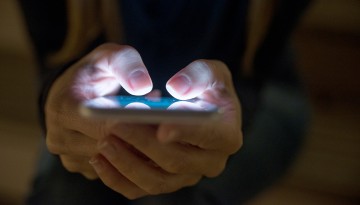
Cornell Tech researchers have developed a mechanism for preserving anonymity in encrypted messaging – which conceals message content but might not cloak the sender’s identity – while simultaneously blocking unwanted or abusive messages.
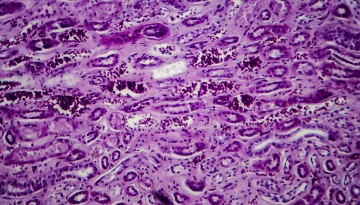
A team of researchers has discovered a non-invasive biomarker that could aid with earlier diagnosis of breast cancer, the most common cancer among women, which will likely affect one in 13 women during their lives.
Major figures in world economics will gather in Ithaca Sept. 15-17 to re-think the foundations of economics and the nature of regulation – with particular care for the environment.
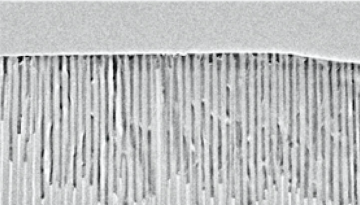
Nanomolding of topological nanowires could speed the discovery of new materials for applications such as quantum computing, microelectronics and clean-energy catalysts, according to Cornell researchers.
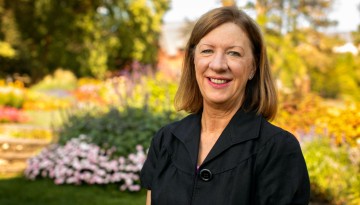
Joanne DeStefano, MBA ’97, executive vice president and chief financial officer, whose leadership kept Cornell on firm financial footing through a recession and a global pandemic, has announced her plans to retire, effective June 30, 2023.
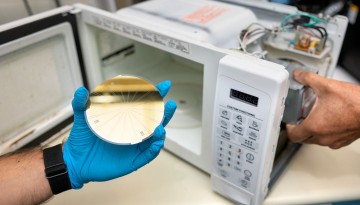
A household microwave oven modified by a Cornell Engineering professor is helping to cook up the next generation of cellphones, computers and other electronics after the invention was shown to overcome a major challenge faced by the semiconductor industry.
Cornell’s Pre-Orientation Service Trips program provides incoming first-year and transfer students an introduction to each other, returning student leaders and off-campus volunteering opportunities.