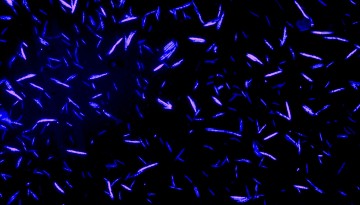
A new study finds that certain species of bacteria in the gut interact with and help balance levels of dietary cholesterol by using it to create a molecule that plays important roles in human health.
The College of Architecture, Art, and Planning is pleased to announce the appointment of eight new faculty members and two fellows who will together bring social justice and radical collaboration to the forefront of the college's efforts to build a more sustainable, just, and thriving world for all.
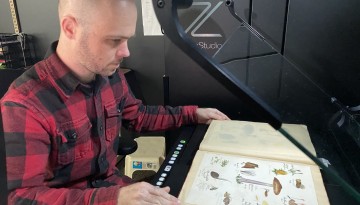
The exhibition includes an outdoor plant display, audio tour and an indoor exhibit, all describing plants that are significant to the Black experience in the Americas dating back to the transatlantic slave trade.
A world leader in the study of population genetics of the fruit fly, Aquadro studies the amount of diversity that exists within and between the genomes of organisms.
Seafaring drones soon will allow Cornell scientists to examine the abundance and distribution of forage fish – like zooplankton and shrimp – that nourish species higher on the food chain.
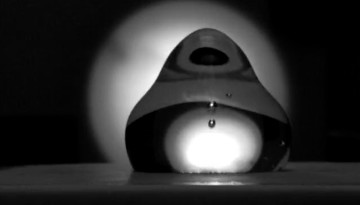
An experiment on the International Space Station has given Cornell researchers fresh insight into the ways that water droplets oscillate and spread across solid surfaces.
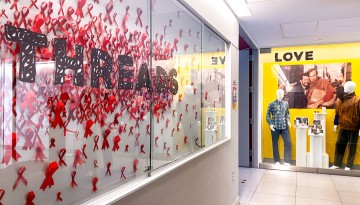
“Threads of Life, Loss, and Love: An HIV/AIDS Story” runs Aug. 15 through Dec. 2 in the Human Ecology Commons and Level T display cases and features garments, accessories, documents, ephemera and film from the collection of Sylvia Goldstaub.
Dr. Bruce Kornreich, D.V.M. ’92, Ph.D. ’05, director of the Cornell Feline Health Center, is a featured expert on “Inside the Mind of a Cat,” a documentary premiering Aug. 18 on Netflix.