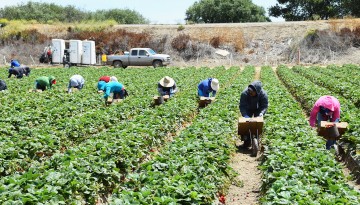
Refugees are less likely to be employed the longer they live in the United States, despite unique and early access to employment services, according to new research co-authored by Shannon Gleeson of the ILR School.
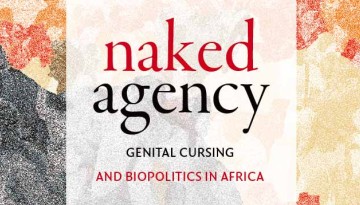
Diabate hopes her book will reframe the terms of the conversation on defiant disrobing by inviting readers to take seriously the circulation of women’s grievances and hopes and the (mis)use of their bodies’ images in our hyper-visual world.
The stories of fictional freedom seekers ring out on the new “Voices on the Underground Railroad” website, a collaborative effort between Cornell students and community members.
The challenges of 3D printing in space may be overcome thanks to modeling software that was created at Cornell and successfully tested aboard the international space station on Jan. 1.
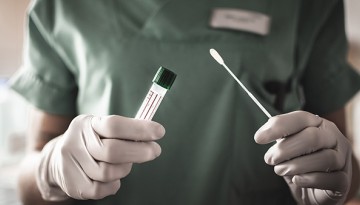
Researchers at the College of Veterinary Medicine, in collaboration with the Tompkins County Health Department and Cayuga Health System, are conducting a COVID-19 community health survey to estimate levels of COVID infection and immunity in the county.
White men who have experienced disadvantages in the workplace – particularly when associated with a social identity, such as being gay or having a disability – are more likely to recognize disadvantages faced by others and to understand the privilege they enjoy as white.