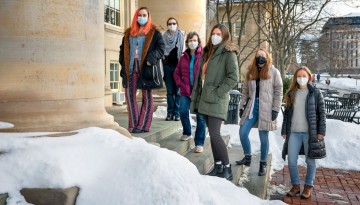
Vaccination Conversations with Scientists, a group of more than 100 Cornell scientist volunteers educating the public about vaccines, is reporting success in shifting unvaccinated people’s beliefs about the shots.
Employees or managers who view themselves as professional are more vulnerable to unethical behavior such as conflicts of interest, a new Cornell study finds.
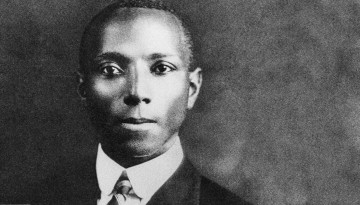
Thomas Wyatt Turner, Ph.D. 1921, was the first Black person at Cornell to earn a doctorate and the first Black person in the nation to earn a doctorate in botany. He was also a pioneer in the civil rights movement.
The eighth episode of a podcast hosted by Entrepreneurship at Cornell, Startup Cornell, features Rich Horgan ‘14, founder of Cure Rare Disease, a non-profit biotech company.
Active learning in Mechatronics (MAE 3780) gives students hands-on experience applying concepts and theory to solve real-world problems. Students learn as they collaborate to build robots for a competition at the end of the term.
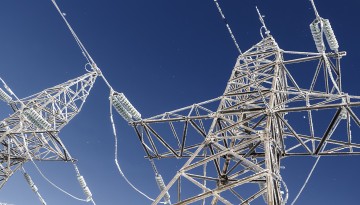
New research finds decentralized electricity markets are prone to underinvestment in resilience to rare events like the severe winter storms that crippled the Texas grid a year ago.
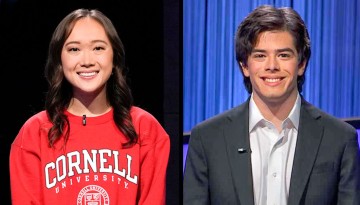
Andrés Quijano ’22 will compete at 7:30 p.m. on “Jeopardy!” and Catherine Zhang ’22 will compete at 8 p.m. on the “Jeopardy!” National College Championship, on ABC and Hulu.