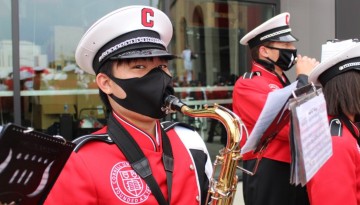
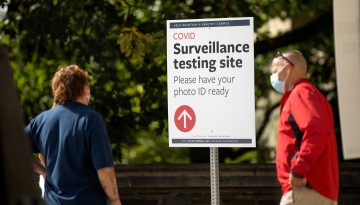
Student groups on campus share how they are keeping their members safe, as they get together, build community, and have fun doing the things they love.
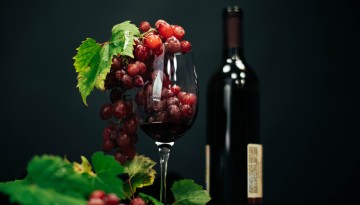
Cornell food scientists now show that the leftover pulp from the red wine making process has the potential to be a nutritive, illness-reducing treasure.
A small contribution from Tristan Lambert, professor of chemistry and chemical biology, when he was a doctoral student helped catalyze the breakthrough in catalysis that led to the 2021 Nobel Prize in chemistry.
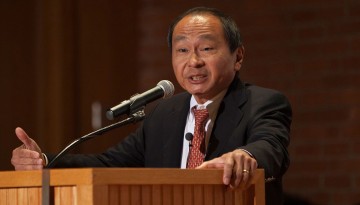
The Center for the Study of Economy & Society presents a new fall lecture series, “The American State in a Multipolar World,” beginning on Monday, Oct. 18th with an in-person lecture by Francis Fukuyama '74.
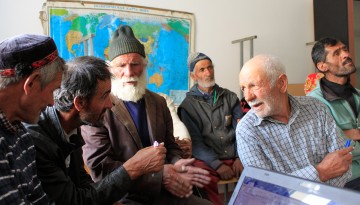
Karim-Aly Kassam is leading a project that brings together Indigenous and rural communities and scholars from across the globe to develop ecological calendars that integrate local cultural systems with seasonal indicators.