Incentivizing online reviews can have a positive effect on a company’s bottom line, but the investment comes with risks, according to new research from Kaitlin Woolley, assistant professor of marketing.
The past 15 months have been a wild ride for the retail and consumer brands industry. Cornell is providing professionals unprecedented access to leading industry experts at its second annual Rethinking Retail and Brands live virtual conference.
Visiting Critic Stella Betts, architecture, speaks with Mitchell Carson (M.Arch. '22) about political aspects of public space today and the convergence of art and architecture practice.
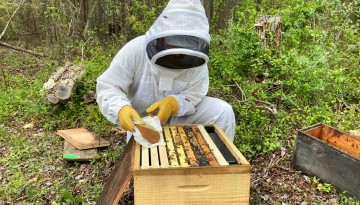
A Cornell-developed technology provides beekeepers, consumers and farmers with an antidote for deadly pesticides, which kill wild and managed bees that pollinate crops.
CR0WD, a Cornell-powered, community-led task force works with New York State communities to promote thoughtful building deconstruction and highlight the environmental, cultural, and, economic value of salvage, reuse, and closed material flows.
Cornellians will gather June 10-13 to celebrate Virtual Reunion 2021, a weekend of digital events and opportunities to gather online with friends and classmates.
Cornell researchers have topped their own record for atomic resolution with an electron microscope pixel array detector that incorporates sophisticated 3D reconstruction algorithms.
Representing a coalition of media outlets, the First Amendment Clinic and co-counsel won the release of documents related to the federal prosecution of a Pennsylvania state representative who won re-election in 2016 before resigning.
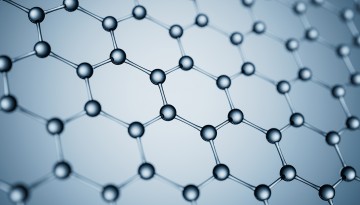
An interdisciplinary team of Cornell researchers has created a cohort of new quantum metamaterials that can achieve superconductivity at temperatures competitive with state-of-the-art solid-state materials synthesis.