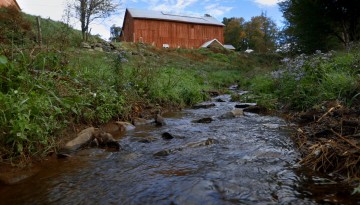
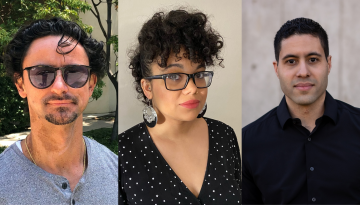
Training and resources supporting municipal officials can help incorporate biodiversity into local land use planning, according to research led by Shorna Allred, evaluating a program in New York's Hudson Valley.
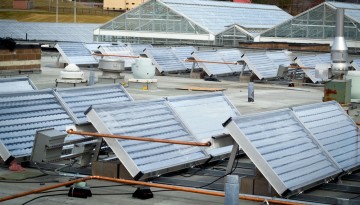
A new solar collector array atop Guterman Research Center is one of several sustainability projects, from reusable dining serviceware to living laboratory experiments, that are continuing apace despite the many interruptions made by COVID-19 to campus life.
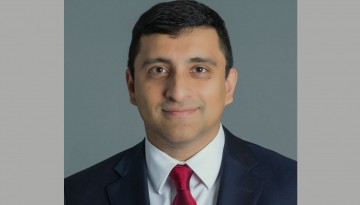
As chief counsel to New York City’s Mayor Bill de Blasio, Kapil Longani ’97 has helped shape the city’s plans for reopening schools, creating outdoor dining protocols, and thinking through legal issues around COVID testing and vaccine distribution.
On March 25, Family and Children’s Service (F&CS) of Ithaca invited community members to learn more about Nature Rx and Donald A. Rakow’s research to measure the positive impacts of time spent in nature.
In collaboration with community partners, students spent winter break addressing issues from police reform in Western New York to women’s rights in Africa.
Edward A. Bouchet Graduate Honor Society members often remain committed to Cornell after earning their degrees, returning to mentor current graduate students, speak at workshops and forums, and participate in panels.
The Cornell astronomy department will host 51 Pegasi b Fellow Samantha Trumbo, a doctoral student in planetary science at the California Institute of Technology, as she follows up on her breakthrough work on Jupiter’s moon, Europa.
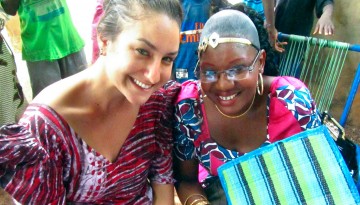
Like thousands of other Cornellians who have volunteered for the Peace Corps, Amanda Freund ’06 and Janet Smith, M.S. ’19, share common ground: learning from the people they served.