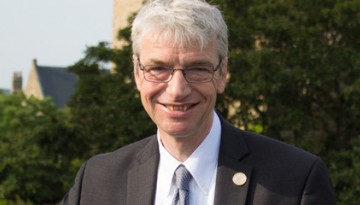
John A. Swanson ’61, M.Eng. ’63, an innovator in the application of finite-element methods of engineering, will be honored with the 2021 Cornell Engineering Distinguished Alumni Award.
Jake Turner, postdoctoral researcher in astronomy, has been named a Sagan Fellow in the program, where he will continue his research on magnetic fields, atmospheres and orbital evolution of exoplanets.
Cornell officials announced the outline of plans for the Fall 2021 semester and they will hold a virtual town hall April 8 open to all members of the Ithaca, Geneva, and Cornell Tech campuses.
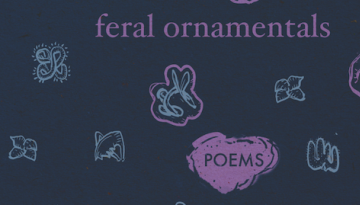
In “Feral Ornamentals,” Literatures in English senior lecturer Charlie Green finds whimsy in uncertainty and humor in the “terrifying,” creating new poems with a fact-based look at the natural world and a sense of exploration through process.
“Policy, Politics and Ethics of the Coming AI Revolution,” an Arts Unplugged webinar, will explore the impacts of artificial intelligence (AI) and technology on our current political system and reflect on ethical concerns for the future, hosted by the College of Arts and Sciences.
During National Public Health Week April 5-11, up to 10,000 seats are available in the new Citizen Public Health Leader Training Program developed by Cornell experts in partnership with New York state.
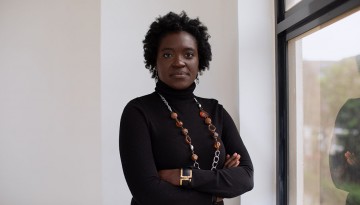
Writer, activist and political analyst Nanjala Nyabola will discuss her upcoming book as part ofGlobal Cornell’s Race and Racism across Borders webinar on April 12 at 11:00 a.m. Following the dialogue, Cornell students will present their original prose, poems and visual art.
Despite agricultural advancements, a Cornell-led study shows that global farming productivity is 21% lower since the 1960s than it could have been without climate change.