Cornell will host a virtual Q&A and panel discussion, “The Science behind COVID-19 Vaccines: A Conversation with Cornell’s Immunology Experts,” Monday April 12 from 4 to 5 p.m.
The Summer Experience Grant offered by Arts & Sciences Career Development exists to ensure that students can take meaningful summer research or internship opportunities, regardless of economic factors. Applications are open until April 19.
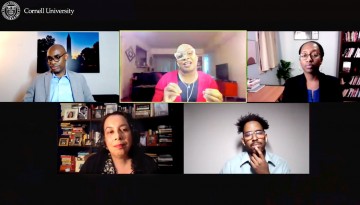
In a “Racism in America” webinar, four Cornell faculty members elaborated on ways the COVID-19 pandemic has shown race-based discrepancies in health care and health outcomes.
Cornell researchers are using low-cost aluminum to create a rechargeable battery that is safer, less expensive and more sustainable than lithium-ion batteries.
Salah Hassan, Distinguished Professor of Arts and Sciences in Africana Studies, has been elected as the 2021 Distinguished Scholar by the College Art Association for his scholarship and curatorial work, which have been deeply formative in bringing recognition to the study of modern and contemporary African and African diaspora art.
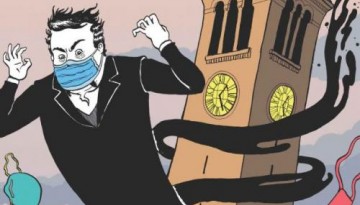
What began as a class project exploring a fraught period of Ithaca history has transformed into a COVID-related comic, “Reflections," telling the story of Ithaca’s typhoid epidemic of 1903, that Leo Levy ’20, hopes can reach people with a lesson from the past and an accessible message about public health.
University officials reminded the Cornell community that despite its legalization in New York, use or distribution of cannabis on university property or as part of university-sponsored events is prohibited.