In the fall, Cornell Cinema offered several films with ties to courses being taught on campus; this spring, the cinema will continue to offer a wide variety of films with course connections. Virtual screenings begin in February.
Ian Owens, the Smithsonian National Museum of Natural History’s deputy director, has been named the next executive director of the Cornell Lab of Ornithology. He will take the helm of the 106-year-old institution on July 1.
The new Gender and the Security Sector Lab, launched Jan. 4, is using an interdisciplinary, social scientific approach to study the role of gender in security forces – including police, military and peacekeeping forces.
Héctor D. Abruña has been honored by the American Chemical Society with the ACS National Award in Analytical Chemistry for his pioneering work in electrochemistry, including the development of fuel cell and battery materials.
When it comes to evaluating news, people tend to trust the opinions of a large group whether it’s composed of liberals or conservatives, new Cornell Tech research has found.
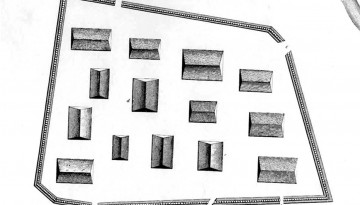
Cornell and National Park Service researchers have pinpointed the exact location of a Tlingit fort in Sitka, Alaska used in 1804 to defend against Russian colonization forces.
Researchers have developed an AI engine trained to play chess like human – improving online chess games and shedding light on how humans could learn from AI in other areas.
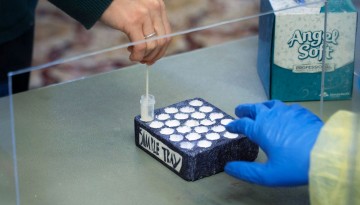
One unsung aspect of Cornell’s success in managing the spread of COVID-19 on campus has been a commitment to analyze and learn, to pivot and adapt. As a result, the university will implement tweaks to its COVID-19 response plan this Spring semester.