An international research team made the first direct observation, in real time, of an elusive phenomenon – “roaming” reactions, in which a chemical compound breaks apart and its molecular fragments drift chaotically in orbit before re-forming into new compounds.
With a recent 90% decline in population, sunflower sea stars – once ubiquitous all along the Pacific Coast, from Mexico to Alaska – may be on the brink of extinction.
Immigrants in detention centers have a heightened risk of COVID-19 infection, and detainees should be released into their communities, according to a report co-authored by a pair of Cornell researchers.
Here are answers to frequently asked questions to help the Cornell community understand the content of the new Student Code of Conduct and Procedures, as well as the process that led its adoption.
Two senior-level appointments in the Office of Alumni Affairs and Development will take place in January, according to Fred Van Sickle, vice president for alumni affairs and development.
To deflect future world food crises created by climate change, a Cornell-led international group has created a road map for global agricultural and food systems innovation.
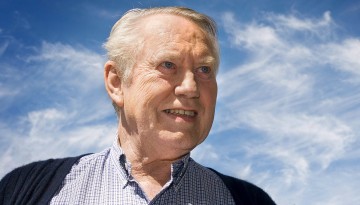
Cornell has announced that East Avenue, one of the main arteries through the Ithaca campus, will be renamed in honor of Charles F. “Chuck” Feeney ’56, founding chairman of The Atlantic Philanthropies and the university’s most generous donor.
Food businesses and consumers coping with COVID-19 impacts in five countries in Asia and Africa now have access to customized resources, and experts mentored by the Institute for Food Safety at Cornell University.