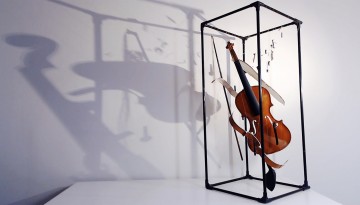
Students in the Bending Instruments course let their imaginations run free in creating unique musical instruments, using what they had on hand while sheltering at home.
The Collegetown Neighborhood Council held a COVID-19-themed virtual meeting May 26 that included community updates and details about planning for the return of students this fall.
Economists Eleonora Patacchini and Marco Battaglini found that federal appellate judges, who are randomly assigned to judicial panels, are more likely to hire women to court clerkships after serving on panels with female colleagues.
Maureen Waller, professor of policy analysis and management in the College of Human Ecology, is the recipient of Cornell’s fifth annual Engaged Scholar Prize.
Ecologist and conservation biologist Amanda Rodewald studies birds and the ecosystems on which they depend, looking for the best outcomes for people and the planet. This approach turned her attention to coffee farms.
An augmented reality tool used during online shopping, which allows users to see the garment on themselves, makes people more likely to want to purchase it, according to new Cornell-led research.
Despite great strides in modernizing physics labs, often by removing rigid structures to give students more independence, gender roles are still present in these spaces through imbalances in lab work.
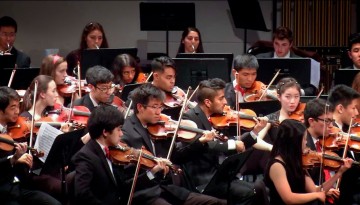
Cornell classes were held remotely this spring, but 10 members of the Cornell Orchestra are still meeting weekly by Zoom with their mentees – orchestra students from Cayuga Heights Elementary School.