Eric Rebillard, the Avalon Foundation Professor of the Humanities in the Department of Classics, was one of 175 writers, artists, scholars and scientists named 2020 fellows by the John Simon Guggenheim Memorial Foundation.
Quarantine Buddy is a website founded by a trio of undergrads that helps people connect with others and combat loneliness and isolation. More than 600 people have already signed up and some of the matches are unusual.
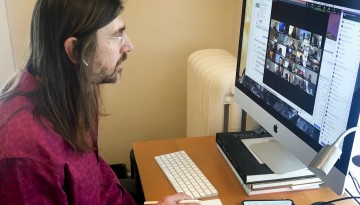
On the first day of virtual teaching for the Ithaca campus, Cornell instructors led 6,600 Zoom meetings with a total of 89,000 participants. Three weeks of coordinated planning and support led to a smooth start for all-online instruction.
Cornell Atkinson is calling for proposals for faculty research related to the global COVID-19 pandemic. The center’s Rapid Response Fund will award seed grants of up to $10,000 for projects.
Virtual events and online Cornell resources include a special organ performance, and workshops on workplace health and safety, continuing community-engaged projects and new immigration policy changes.
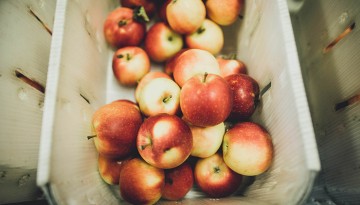
At the end of March, the Cornell Orchards started donating apples to the Ithaca and Dryden school districts, and will continue to do so over the next month. In all, it will donate approximately 26,000 apples.
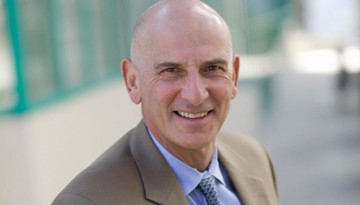
Dr. David Feldshuh, professor in the Department of Performing and Media Arts and a physician, is continuing his work at Cayuga Medical Center’s Urgent Care amid the coronavirus pandemic.
The university beginning online classes for the remainder of the semester continues a long history of remote instruction. Liberty Hyde Bailey and Martha Van Rensselaer designed Cornell’s first correspondence courses in 1896 and 1900, respectively.
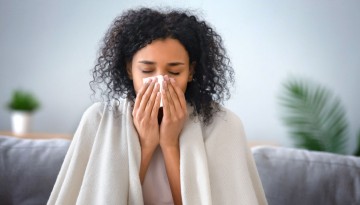
With the COVID-19 pandemic coinciding with the start of spring, you may be wondering when your respiratory symptoms indicate allergies – or something more serious.