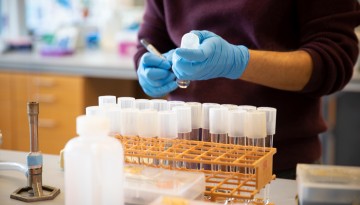
As Cornell puts noncritical research on hold, researchers on campus have found that everyone is making extra efforts to help each other through the transition.
Giving Day, March 12, brought generous Cornell community members together from around the world to raise more than $7 million – including emergency funds in response to the coronavirus epidemic.
New York state students interested in dairy farming careers will get a boost thanks to a new scholarship program from the Chobani Foundation and the College of Agriculture and Life Sciences.
New research by Sturt Manning, professor of classical archaeology, points to the need for refinements in radiocarbon dating, the standard method for determining the dates of artifacts in archaeology and other disciplines.
A Cornell-led collaboration has created a model simulator from overlapping ultrathin monolayers and have used it to map a longstanding conundrum in physics.
The Affordable Health Care act, passed in 2009, was designed to close racial disparities in access to health care. In the first decade of the act's implementation, however, many such provisions are being blocked by racial politics.
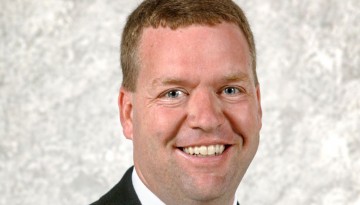
Jim Case, longtime associate head athletic trainer with the football and men’s lacrosse teams during his more than three decades at Cornell, died March 14 at age 55.
More than 150 attendees – including Cornell alumni and students from the classes of 1967 through 2022 – converged in New York City on March 5 for the inaugural Women in Entrepreneurship Conference.
President Martha E. Pollack shared her thoughts March 17 on the many challenges Cornellians are facing around the world due to the coronavirus pandemic.