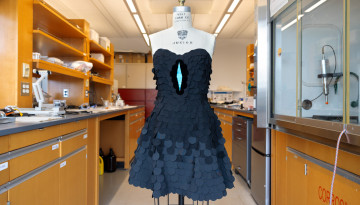
The color “ultrablack” has a variety of uses, including in cameras, solar panels and telescopes, but it’s difficult to produce and can appear less black when viewed at an angle. A Cornell lab has devised a simple method for making the elusive color.
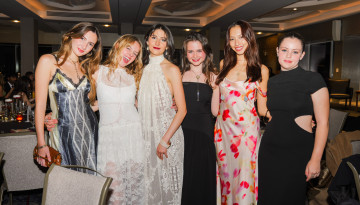
A festive black-tie gala brought together fashion industry star power, networking opportunities and Cornell fashion students wearing shimmering gowns and fashion-forward tuxedos.
A project led by Cornell’s Center for Point of Care Technologies for Nutrition, Infection and Cancer to develop a low-cost, battery-powered device for sample preparation in tuberculosis (TB) testing in areas with limited lab access and infrastructure, has received a $250,000 grant from the Gates Foundation.
Willard Straight Hall has evolved over the last 100 years, but one thing has remained constant: It’s the place where Cornellians gather. Alumni, students, faculty and staff did just that on Nov. 21 for the Straight’s Centennial Celebration.
Legal scholar Gail Heriot will describe a chain of unintended consequences of the Civil Rights Act of 1991 in her talk "Why We Walk on Eggshells," Dec. 8.