Cornell President Martha E. Pollack sent a message to the Ithaca campus community Dec. 18 outlining several reforms to Greek life in order to promote the health and safety of students.
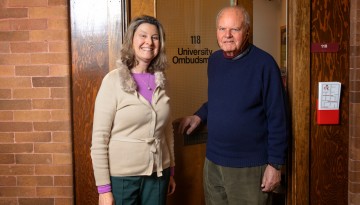
The Office of the University Ombudsman marked its 50th anniversary in 2019, serving as a sounding board for Cornell community members to come with issues large or small.
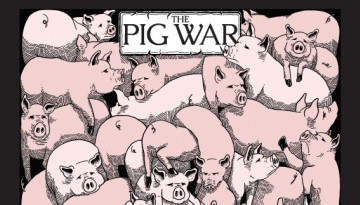
Michael Fontaine, professor of classics in the College of Arts and Sciences, had fun publishing the first translation of 16th-century poet John Placentius’ playful “Pugna Porcorum” (“The Pig War”).
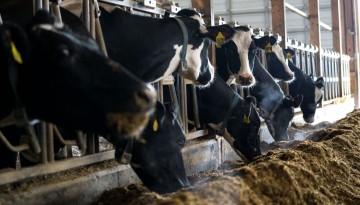
Researchers from Cornell and the University of Wageningen used a social psychology approach to understand how dairy farmers’ views impact how and when they use antibiotics to treat their cows.
Holiday spirit adorned the Memorial Room at Willard Straight Hall during Cornell’s United Way Winter Fest Dec. 13, which served as the end-marker for a campaign that began Sept. 26.
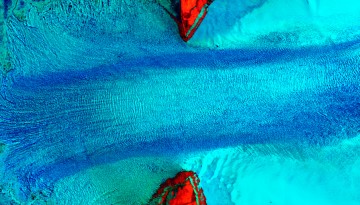
Cornell geologists, examining the desolate Vavilov ice cap on the northern fringe of Siberia in the Arctic Circle, have for the first time observed the rapid ice loss from an improbable new river of ice.
Rabbi Ari Weiss, executive director of Cornell Hillel, is one of 16 honorees recognized by Hillel International, the largest worldwide Jewish campus organization.
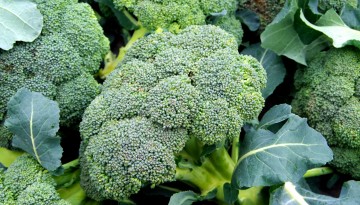
In tests, consumers in upstate New York were willing to pay more for broccoli grown in New York when they knew where it came from, Cornell researchers found.