Two ex-ambassadors will debate the Trump administration’s border policy and assess how foreign policy changes will affect relations with Mexico in the annual Lund Critical Debate, hosted by the Einaudi Center.
Cornell will lead a new global crop improvement research program to advance plant breeding tools, technologies and methods aimed at delivering staple crops that can increase yields, enhance nutrition and show greater resistance to pests and diseases.
A recent survey of Cornell undergraduate, graduate and professional students found that half of respondents experienced one or more forms of harassment, such as sexual assault, sexual and gender-based harassment, stalking, and dating and domestic violence.
Ariel Rubinstein, professor of economics at New York University and Tel Aviv University, will speak about “Economics With Norms and Without Prices” Oct. 28 in the annual George Staller Lecture.
Antithesis, a Cornell student startup, was recently awarded a $225,000 Small Business Innovation Research Phase I award from the National Science Foundation to develop its chickpea-based snack food.
Cornell is launching a compliance office to help units and programs across the university navigate a crowded field of federal and state regulatory requirements.
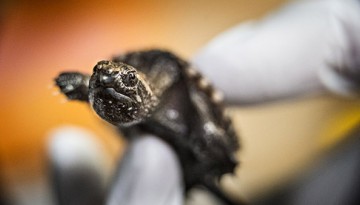
Between May and July, the Janet L. Swanson Wildlife Hospital at the Cornell College of Veterinary Medicine rescued approximately 150 eggs from pregnant turtles that were either injured or killed while crossing roads.
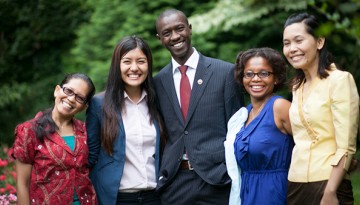
On Oct. 22-23, Cornell’s Humphrey Program will celebrate 40 years of enriching the professional experience of more than 400 people from 111 countries, who’ve come to Cornell for a yearlong exchange.