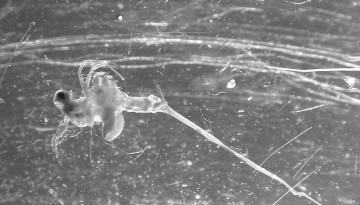
The nasty, predatory spiny water flea was discovered Sept. 16 in Oneida Lake by a Cornell student at the Cornell Biological Field Station at Shackelton Point in Bridgeport, New York.
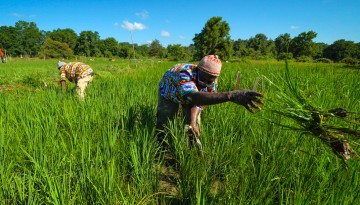
Few farmers attempt to grow rice in the Northeast’s short growing season, but a team of farmers, with the help of Cornell scientists, are experimenting with rice-growing methods to suit New York’s climate.
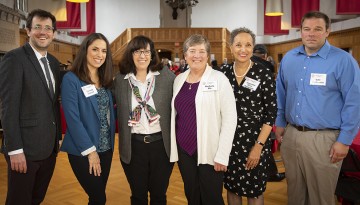
The first six recipients of the Cornell New York State Hometown Alumni Award were honored at a special recognition ceremony Oct. 4 during Homecoming Weekend.
Higher education has been transformed by computing, but technological advances must incorporate human needs, according to university administrators at a panel on the role of technology in education.
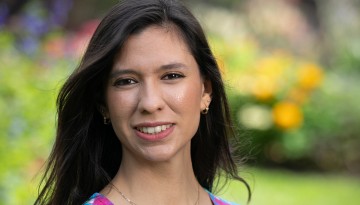
“Deborah Castillo: Radical Disobedience” is a new collection of critical texts on the Venezuelan performance artist’s work, co-edited by Irina R. Troconis, assistant professor of Romance studies.
Turning an MRI exam into a superhero adventure helps prepare children for the test and reduces the need for sedation, according to research by investigators at Weill Cornell Medicine and NewYork-Presbyterian.
Natarajan “Chandra” Chandrasekaran will talk with President Martha E. Pollack on “Leadership in the 21st Century” in this year’s Hatfield Lecture, Oct. 16 in Mentors Lecture Hall, G01 Gates Hall.