A year into Cornell’s Academic Integration Initiative, Gary Koretzky ’78 is relocating to Ithaca and taking on a new title to continue leading efforts to better promote, build and enhance collaborative research efforts across Cornell's campuses.
Why would five Cornell professors decide to teach a class when there was no budget to pay them to do it? For the directors of Cornell’s Behavioral Economics and Decision Research Center, the reason is the subject of the course: Better Decisions for Life, Love and Money.
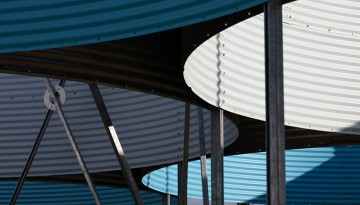
Connecting upstate and downstate, urban and rural, a pavilion made from reused metal grain bins opened to the public June 23 on Governors Island in lower New York Harbor. Four Cornell faculty members collaborated on the project with a team including students and alumni.
Cornell’s first Web Accessibility Camp for web content contributors, web designers and developers will be held Aug. 6-8, at Ives Hall and the ILR Conference Center.
Recognition of the link between human and animal abuse has helped spur a slowly growing system for investigating and prosecuting crimes against animals. Cornell veterinary pathologists play a key role, performing necropsies and delivering expert testimony.
Cornell President Martha E. Pollack issued a statement to the Cornell community June 27 expressing her disappointment with the Supreme Court's decision to uphold the Trump administration’s executive order restricting entry from certain countries to the United States.
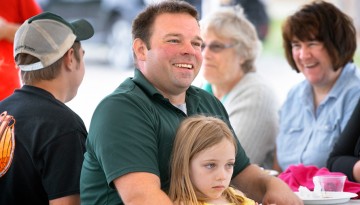
To see why Nate Chittenden ’00 was the perfect choice to receive the inaugural Cornell University Hometown Alumni Award, you had to look no further than the beaming community of family, neighbors and friends who came to honor him June 23 in Stuyvesant, New York.
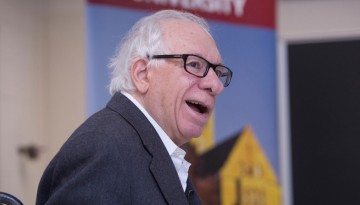
NASA has announced it will award the Distinguished Public Service Medal, its highest honor, to astronomer Yervant Terzian, the Tisch Distinguished Professor Emeritus.