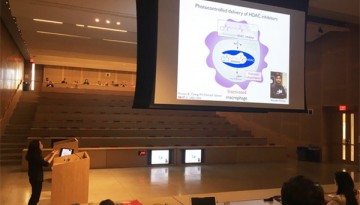
Cornell experts from Ithaca and New York City gathered June 26-27 at the College of Veterinary Medicine for the Immunology in Health and Disease Symposium.
Staff Development Day, July 25, will celebrate 20 years of helping staff learn about the opportunities available to them to develop their personal and professional lives.
The university has provided central funding, effective July 1, to help significantly improve the work experience for faculty, staff and visiting or guest lecturers with disabilities.
China broke into the world’s top 20 most-innovative economies as Switzerland retained its No. 1 spot in the 2018 Global Innovation Index ranking, published annually by Cornell and its partners.
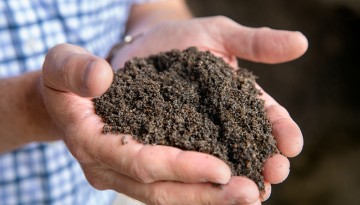
Cornell’s College of Veterinary Medicine Teaching Dairy Barn has installed a system that separates manure from sand bedding that is healthier for cows and creates muck perfect for making electricity.
Cornell employees, retirees and graduate and professional students can set up a Care.com membership to find, schedule and manage care for their family – children, adults and pets.