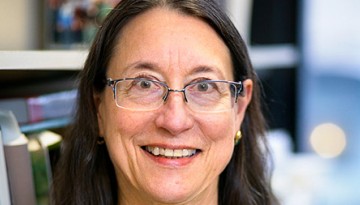
Dr. Krysten Schuler, senior research associate in the College of Veterinary Medicine, gave testimony on chronic wasting disease June 25 before the House of Representatives Committee on Natural Resources.
The Society for Behavioral Neuroendocrinology recently honored professor emerita Elizabeth Adkins-Regan with its Daniel S. Lehrman Lifetime Achievement Award.
The Cornell Dairy Foods Extension certificate program run by the Department of Food Science in CALS helps industry people learn the ins and outs of product safety and quality.
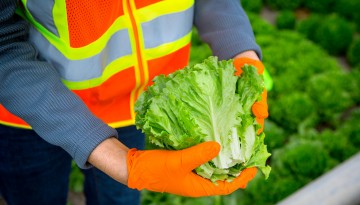
The College of Agriculture and Life Sciences’ Produce Safety Alliance has recently expanded its efforts in order to help Latin American growers adhere to U.S. federal safety regulations.
Gender trainings sponsored by Cornell’s Delivering Genetic Gain in Wheat project are changing attitudes in East Africa and empowering women to take greater control of household farming activities.
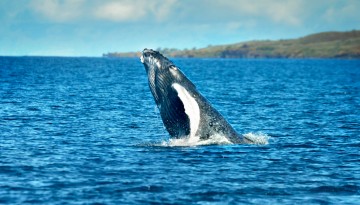
This spring, senior music lecturer Annie Lewandowski worked with Google Creative Lab on a project to develop artificial intelligence that can recognize patterns in humpback whale songs.
Amanda Rodewald, the Cornell Lab of Ornithology’s senior director of conservation science, testified to the House of Representatives’ Committee on Natural Resources on the importance of the Migratory Bird Treaty Act.