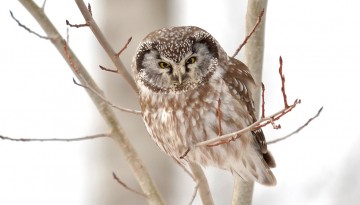
Cross-referencing a decade of Google searches and citizen science observations, researchers have determined which of 621 North American bird species are currently the most popular and which characteristics of species drive human interest.
A Cornell researcher, who is a leader in developing a new type of gene editing CRISPR system, and colleagues have used the new method for the first time in human cells – a major advance in the field.
Long-term spaceflight causes more changes to gene expression than shorter trips, according to research by Weill Cornell Medicine and NASA investigators as part of NASA’s Twins Study involving Mark and Scott Kelly.
The temporary benefits of ketamine against depression might be extended if the new brain-cell connections it promotes could be preserved, according to a study by researchers at Weill Cornell Medicine.
A new AI approach by Weill Cornell Medicine investigators can accurately identify whether a 5-day-old, IVF human embryo has high potential to progress to a successful pregnancy.
Raymond T. Fox ’47, M.S. ’52, Ph.D. ’56, professor emeritus of floriculture and ornamental horticulture and renowned for his elaborate campus floral displays and floriculture expertise, died March 31 in Ithaca, New York. He was 96.
The Cornell Center for Health Equity will hold its second annual symposium April 11-12 at Cornell’s College of Veterinary Medicine on the Ithaca campus.
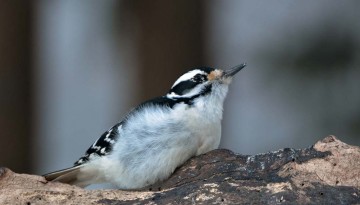
Scientists at the Cornell Lab of Ornithology and other institutions have found evidence that some woodpeckers can evolve to look like another species of woodpecker that lives nearby.
Events include two Carl Becker Lecture Series talks by historian and author Michael Kazin; a lecture by wildlife conservationist and A.D. White Professor-At-Large Laurie Marker; Cornell Cinema’s screening of “Dragnet Girl,” accompanied live by the electronic group Coupler; and Swiss artist Elisabeth Masé in a conversation at the Johnson Museum.