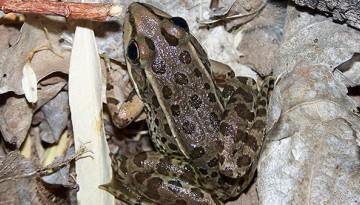
Some populations of frogs are rapidly adapting to a fungal pathogen that has decimated many populations for close to half a century and causes the disease chytridiomycosis, according to a new study.
Starving immune cells of key nutrients stymies their ability to launch an allergic response, according to new research from a multi-institutional collaboration led by Weill Cornell Medicine investigators.
Cornell researchers have discovered a way to open one of the major barriers to the brain, called the blood brain barrier, which prevents the entry of therapies to treat brain disorders.
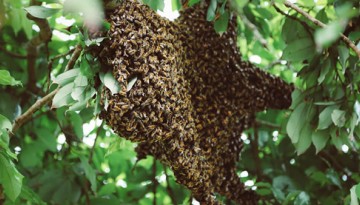
Cornell researchers describe experiments that help reveal how wild colonies endure mites and pathogens, findings that could aid beekeepers in their struggle to keep honeybee colonies healthy.
Cornell researchers describe a genetic variation that has evolved in populations that have historically eaten vegetarian diets, such as in India, Africa and parts of East Asia.
The Pre-Seed Workshop, sponsored by the Cornell Center for Life Science Enterprise, offers scientists guidance on how to move their technologies and inventions from the lab to the marketplace.
Extensive testing of malarial DNA found in birds, bats and other small mammals from five East African countries revealed that malaria has its roots in bird hosts.
Kathleen Rasmussen, Cornell's Nancy Schlegel Meinig Professor of Maternal and Child Nutrition, won the Macy-György Award at the 18th ISRHML Conference in Stellenbosch, South Africa, March 3-7.