Wildlife experts have developed a regional computer model – and user friendly app – that predicts counties where wildlife managers should target their surveillance of chronic wasting disease in deer.
Nutritionists generally advise everyone to eat more dietary fiber, but a new study suggests that its effects on health can vary, suggesting that recommendations should be tailored to each individual’s gut microbiome.
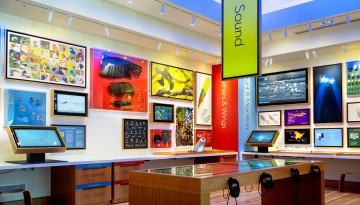
The Visitor Center at the Cornell Lab of Ornithology is now open again to the public, following a multimillion-dollar redesign that began last fall and focused on interactive exhibits, art and accessibility.
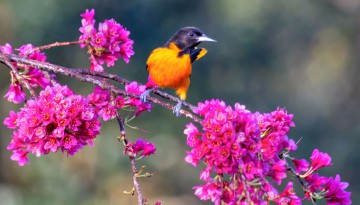
A group of scientists has released the first comprehensive list of birds that haven’t been documented in more than a decade, with the help of Macaulay Library at the Cornell Lab of Ornithology.
The relationship between mother and child offers clues to the mystery of why humans live longer lives than expected for their size – and sheds new light on what it means to be human.
A study identifies microbes that potentially play important roles in breaking down harmful PFAS chemicals and points to functional genes that may be involved.
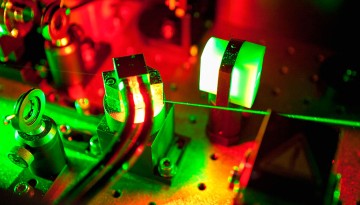
An interdisciplinary Cornell research team has developed a new surgical technique that blocks the spread of focal epileptic seizures in the brain by making precise incisions with femtosecond laser pulses.