Greater understanding of beneficial characteristics of the human brain, such as flexibility and reliability, will help Wenbo Tang develop therapies for human diseases – and to improve AI systems.
Collaboration was the theme of the evening at the second annual Community Engagement Awards, held April 16 and hosted by the Einhorn Center for Community Engagement to celebrate excellence in local and global university-community partnerships.
Nine students and recent graduates representing Cornell’s four contract colleges were selected to receive the 2024 State University of New York Chancellor’s Award for Student Excellence.
In 2023-2024 the Center for Teaching Innovation (CTI) awarded Innovative Teaching and Learning Grants to seven recipients. This year, two of those recipients' projects focus on building empathy into their courses to promote student learning.
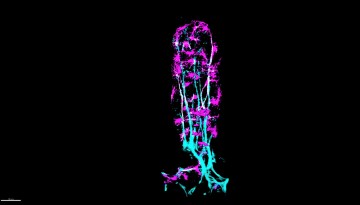
By discovering how a type of smooth muscle forms in the gut, scientists have opened doors to making artificial muscle, repairing muscle following gut surgeries and treating inflammatory bowel disease and obesity.
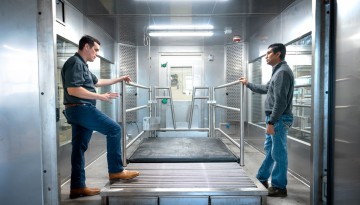
New climate-controlled animal respiration stalls in CALS – the only ones currently operating in the U.S. – will allow researchers to measure, verify and monitor methane and other gas emissions from cows.
Through its new Public Health Essentials online certificate program, Cornell seeks to help leaders proactively address today’s global health challenges.
Cornell Atkinson has announced its 2024 Postdoctoral Fellows, who work jointly with a Cornell advisor and an external advisor from a partner organization.