Study: Ketamine fails to treat pain, can cause hallucinations

A new study suggests that ketamine doesn't lower levels of pain or reduce the need for pain-killing opioid drugs in the days after an operation, has side effect.

Cornell Tech aims for net-zero efficiency at Bloomberg Center

Cornell Tech is planning for its Bloomberg Center academic building to reach net-zero and LEED Platinum status, with all of the energy needed to power the building generated on campus.

Cornell's Hudson River conservation work nets DEC award

For more than 20 years, Cornell has facilitated collaborative solutions to protect and preserve the Hudson River Estuary and its watershed, and on May 23, the university was recognized for its efforts.

Johnson's Nelson and peer deans discuss the value of the MBA

A panel of deans from the nation’s top colleges told prospective MBA students May 20 that a master's degree in business administration offers the best return on investment among advanced degrees.

Cornell Tech has final Open Studio before move to new campus

Cornell Tech's Open Studio, held for the final time at the Google building campus, gives budding entrepreneurs a chance to pitch their ideas to several hundred people, including business leaders.

Initiative will connect research across NYC, Ithaca campuses

A new initiative on academic integration will connect research across Weill Cornell Medicine, Cornell Tech and the Ithaca campus. Dr. Gary Koretzky will lead the effort, which will tie together investigation and discovery.

Weill Cornell team creates breakthrough on blood disorders

Researchers at Weill Cornell Medicine have discovered an innovative method to make an unlimited supply of healthy blood cells from the readily available cells that line blood vessels.

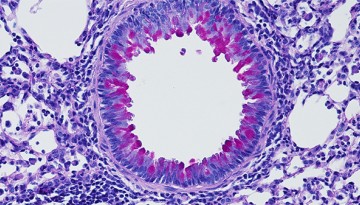
'Bookmarks' on stem cell genes preserve cell identity

Stem cells preserve their identities after cell division by using a series of protein "bookmarks" on their genes, according to new research published by scientists at Weill Cornell Medicine.

Researchers ID drug that blocks some blood cancers

A compound identified by Weill Cornell Medicine scientists inhibits the growth of a rare blood cancer found in people with HIV-AIDS.