A material strong enough to protect the intestines from a needle puncture and bendable enough to insert through a laparotomy incision that quickly dissolves in the body is being studied.
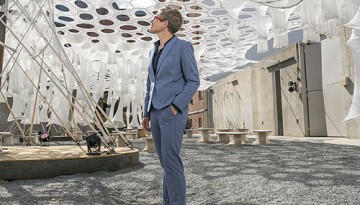
Architect Jenny Sabin has created a temporary outdoor installation that functions as a work of art and provides shade, seating and cooling for visitors to the Museum of Modern Art PS1 in Long Island City.
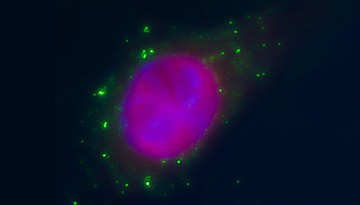
An enzyme implicated in autoimmune diseases and viral infections also regulates radiation therapy's ability to trigger an immune response against cancer, Weill Cornell Medicine scientists found in a new study.
Researchers Andrew Myers, Elaine Shi, Greg Morrisett and Rafael Pass will explore a new approach that will make it easier to use cryptography to build more-secure systems.
The School of Hotel Administration honored a hotel industry legend and a pioneer in ride-sharing apps at its ninth annual Cornell Hospitality Icon and Innovator Awards June 6 at The Pierre in Manhattan.
The first-ever 'disease in a Petri dish' platform that models human colon cancer derived from stem cells has been developed by Weill Cornell Medicine investigators, allowing them to identify a targeted drug treatment for a common, inherited form of the disease.
A calcium-dependent molecular mechanism discovered in the brain cells of mice by Weill Cornell Medicine investigators may underlie the impaired social interactions and anxiety found in neuropsychiatric disorders – including schizophrenia and autism.
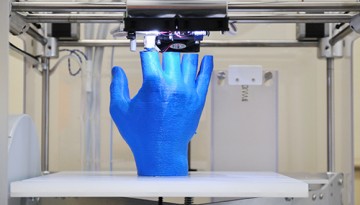
The Clinical and Translational Science Center, in collaboration with the medical student group Tech-in-Medicine, hosted its first hackathon, the 3-D Printing Innovation Challenge, over the course of several days in May.
This month, veterinarians from Cornell University helped open a new animal care and import-export center at John F. Kennedy International Airport called The ARK.