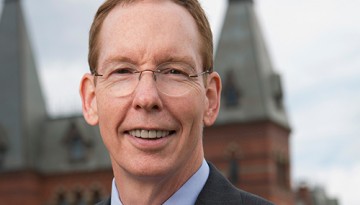
President Martha E. Pollack gave alumni a sense of her academic background, traced her path to Cornell and gave full-throated affirmations of free speech, the value of a college education and expanding opportunities in NYC.
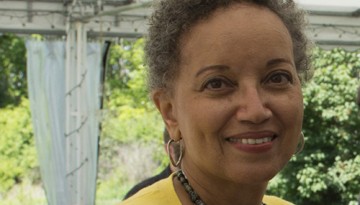
Jacqueline Davis-Manigaulte '72 won the 2017 National Urban Extension Leadership Award for excellence in urban extension programming and leadership for her Cornell University Cooperative Extension-New York City work.
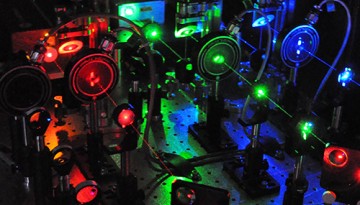
New imaging methods that allow researchers to track the individual protein molecules on the surface of cells offer unprecedented insight into how cells sense and respond to their environments.
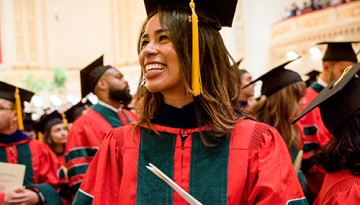
Vibrant red and white bouquets lined the Perelman Stage at Carnegie Hall as degrees were conferred on 275 students graduating from Weill Cornell Medicine June 1.
On May 23, more than 60 people gathered at the College of Architecture, Art and Planning's studio space in New York City to consider how built environments can help meet climate change challenges.
A new study suggests that ketamine doesn't lower levels of pain or reduce the need for pain-killing opioid drugs in the days after an operation, has side effect.
Cornell Tech is planning for its Bloomberg Center academic building to reach net-zero and LEED Platinum status, with all of the energy needed to power the building generated on campus.
For more than 20 years, Cornell has facilitated collaborative solutions to protect and preserve the Hudson River Estuary and its watershed, and on May 23, the university was recognized for its efforts.
A panel of deans from the nation’s top colleges told prospective MBA students May 20 that a master's degree in business administration offers the best return on investment among advanced degrees.