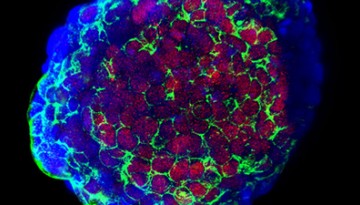
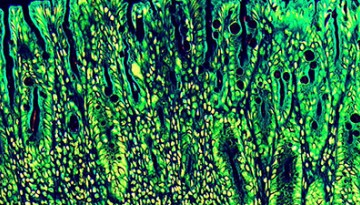
Nerve cells in the gut play a crucial role in the body’s ability to marshal an immune response to infection, according to a new study from Weill Cornell Medicine scientists.
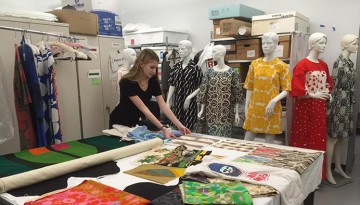
On Sept. 28, experience fashion, culture and history as the College of Human Ecology’s Cornell Costume & Textile Collection hosts a “fashion for a cause” runway show and silent auction in New York City.
President Martha E. Pollack sends a message to the Cornell community welcoming everyone to campus on the first day of classes for the fall 2017 semester.
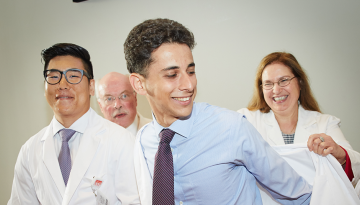
Weill Cornell Medical College's Class of 2021 as received their short white coats during the institution's annual White Coat Ceremony Aug. 15. officially marking the beginning of their medical education.
Cornell Tech hosted a workshop Aug. 8-9 in Gates Hall, helping eight local school districts and a cooperative educational service agency create plans to integrate computer science education throughout the entire school day.
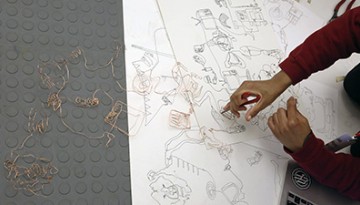
Art students worked toward their B.F.A. degrees this year with studio and seminar classes, visits to museums and artists' studios, internships, meeting curators and exhibiting their work at AAP NYC.
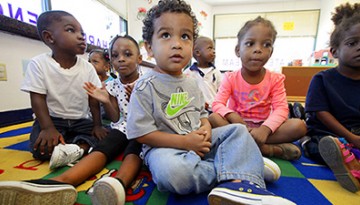
Cornell researchers are working with Head Start Centers and day schools in New York City on early intervention to promote development of spatial skills and language acquisition in preschoolers.