A Cornell doctoral student has helped develop a tool, DanXeReflect, that lets dancers use video and extended reality headsets to create an immersive environment for analyzing and refining their movements.
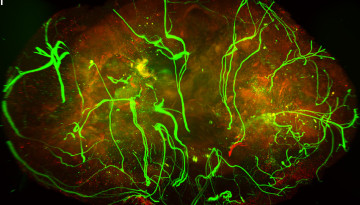
Researchers found that nerves of the sympathetic nervous system are often abundant in melanomas, and can inhibit tumor growth by reducing local tumor-supportive macrophages.
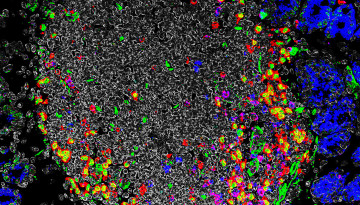
Weill Cornell Medicine investigators made an unexpected finding that could open new avenues for therapies against inflammatory bowel disease, food allergy and other autoimmune conditions.
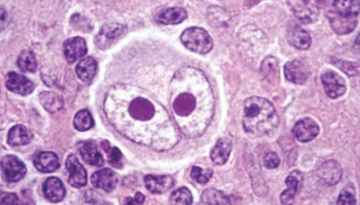
Weill Cornell Medicine researchers have demonstrated, for the first time, that Hodgkin lymphoma cancer cells from patient samples are immune cells stuck in an “identity crisis.”
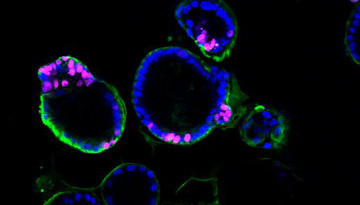
A new preclinical study from Weill Cornell Medicine found that a protein long thought to be a foot soldier in the body’s defense against bacterial infection, does not actually help clear invaders the way its close cousin does.
Caring for a family member with dementia can feel like losing a loved one who is still alive, but a new study suggests that revisiting memories together through a simple digital tool can help ease that grief.
At the heart of Cornell Tech’s hands-on, interdisciplinary approach is Studio, a program that brings students together across disciplines to build, test, and launch real-world solutions.
Research from Cornell Tech shows that before big tech engineers can improve the fairness of recommendation systems they need to define what “fairness” even means.
Cornell Cooperative Extension Harvest New York runs the Community Gardens Soil Testing Program, which offers free test results and advice to home gardeners anywhere in the state.