Thomas Ristenpart, a Professor at Cornell Tech and in the Computer Science Department at Cornell University, received the esteemed Test of Time Award at the 33rd USENIX Security Symposium. This accolade recognizes his co-authored…
As Cornell Tech looks toward future development, it aims to go beyond simply reducing its environmental impact. By continuing to innovate and incorporate new sustainable technologies, the New York City campus is a model for how…
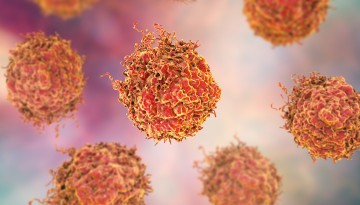
A new preclinical model using CRISPR has given Weill Cornell Medicine researchers and their colleagues a deeper insight into how prostate cancer spreads or metastasizes.
A multi-institutional clinical trial led by Weill Cornell Medicine and NewYork-Presbyterian investigators showed that a newer technique for collecting prostate biopsy samples reduced the risk of infection compared with traditional biopsy approaches.
Immunocompromised people with persistent COVID infections can harbor drug-resistant variants of the virus, which have the potential to spread, researchers at Weill Cornell Medicine, the College of Veterinary Medicine and the NIH have found.
A new study from Weill Cornell Medicine researchers helps explain why having ApoE4 – the gene variant most closely linked to Alzheimer’s disease – increases the risk of neurodegeneration and white matter damage.
Taking race into account when developing tools to predict a patient’s risk of colorectal cancer leads to more accurate predictions when compared with race-blind algorithms, researchers find.
About half of patients with metastatic melanoma treated with a combination of immune checkpoint inhibitors survive cancer-free for 10 years or more, according to a report from Weill Cornell Medicine and Dana-Farber Cancer Center investigators.
Researchers have used a cutting-edge model system to uncover the mechanism by which SARS-CoV-2 induces new cases of diabetes and worsens complications in people who already have it.