Campus built for the digital age has already helped make NYC 2nd most valuable startup ecosystem in the world, graduated 1,200 tech leaders, launched 82 startups and raised $920 million.
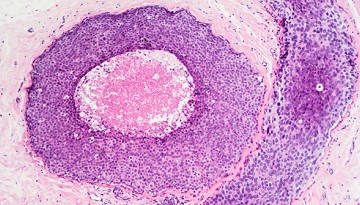
Depleting copper levels may reduce the production of energy that cancer cells need to travel and establish themselves in other parts of the body by a process referred to as metastasis, according to a new study by investigators from Weill Cornell Medicine and Memorial Sloan Kettering Cancer Center.
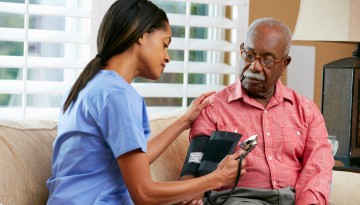
Home health care workers often suffer from poorer physical and mental health, when compared with similar low-wage frontline workers, according to new research by Weill Cornell Medicine.
Whether you’re using the same old phone, or you received a new smartphone as a holiday gift, the last thing you want to do is put yourself — and your personal information — at risk. Vitaly Shmatikov, professor of computer science in the Cornell Ann S. Bowers College of Computing and Information Science and at Cornell Tech, offers four tips to consider for smartphone app security as we head into the New Year.
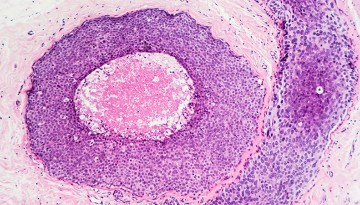
Researchers at Weill Cornell Medicine have identified significant differences in the molecular characteristics of tumors from younger and older cancer patients across several cancer types.
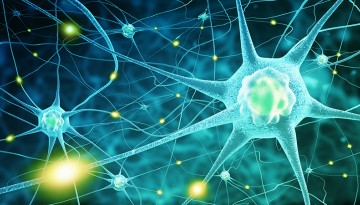
Pound for pound, the brain consumes vastly more energy than other organs. Now, researchers at Weill Cornell Medicine have found that the process of packaging neurotransmitters may be responsible for this energy drain.
A gene mutation linked to Alzheimer’s disease alters a signaling pathway in certain immune cells of individuals with the disease, according to a new study by scientists at Weill Cornell Medicine.
Deborah Estrin, associate dean and the Robert V. Tishman ’37 Professor at Cornell Tech, has been named the 2022 recipient of the prestigious Institute of Electrical and Electronics Engineers (IEEE) John von Neumann Medal.