The research-sharing platform is a free resource for scholars around the world in fields including physics, math and computer science, who use the service to share their own cutting-edge research and read work submitted by others.
The seventh episode of a podcast hosted by Entrepreneurship at Cornell, Startup Cornell, features Laura Ciccone ‘11 and Taly Matiteyahu, co-founders of Blink, a voice-first blind speed dating app that helps people build meaningful connections based on genuine compatibility.
The hospital has seen tremendous growth since opening in 2011. At the time, it had nine doctors among 36 staff. Today, it has 25 doctors among 125 staff, and in the last fiscal year alone, the hospital logged over 25,000 patient visits.
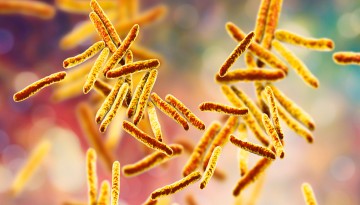
Mycobacterium tuberculosis, the hardy bacterial species that causes tuberculosis, has an unexpected vulnerability that future drugs may be able to exploit, according to a study from researchers at Weill Cornell Medicine.
Following a sweeping effort in 2019 to address clinical care team well-being across Weill Cornell Medicine, physicians note a reduction in stress and feelings of burnout compared to previous surveys, according to a new report from the institution.
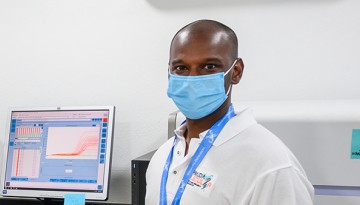
Cornell connections led virology scientist and MBA grad Pradeep Ambrose to help Bermuda grapple with a COVID surge and serve as interim science advisor.
Animal Science Professor Xingen Lei has been named a Fellow of the National Academy of Inventors, in recognition of his groundbreaking work on livestock phosphorus nutrition that improves global animal agriculture, preserves non-renewable phosphorus, and protects the environment.
An alternative statistical method honed and advanced by Cornell researchers can make clinical trials more reliable and trustworthy while also helping to remedy what has been called a “replicability crisis” in the scientific community.
Weill Cornell Medicine researchers are using machine learning, a form of artificial intelligence, to shed light on genetic mutations associated with spina bifida.