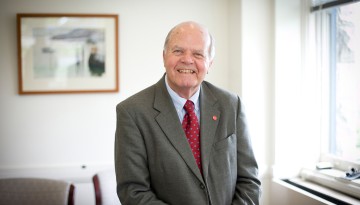
The independent Office of the University Ombudsman provides a space for faculty, students and staff to engage in candid and confidential discussions about academic or workplace concerns. Charles Walcott, Ph.D. ’59, plans to retire later this year as university ombudsman, the part-time position he’s held for a decade.
Cornell is not requiring members of the community to receive a booster at this time; however, as breakthrough cases continue to occur, officials are encouraging community members to consider receiving a one once eligible.
Jessica Rolph ’97 MBA ‘04, the 2021 Cornell Entrepreneur of the Year, will be one of the featured speakers for the 2021 Eclectic Convergence conference Nov. 12 at Cornell Tech in New York City.
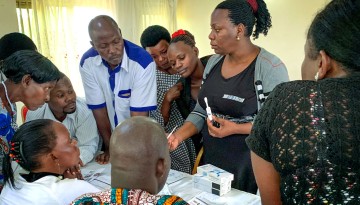
Partnering with traditional healers improves uptake of HIV tests in rural Uganda, according to a trial by Weill Cornell Medicine and Mbarara University of Science and Technology investigators.
Two renowned biologists, May Berenbaum, Ph.D. ’80, and Ellen Rothenberg, have been appointed to six-year terms as Andrew Dickson White Professors-at-Large.
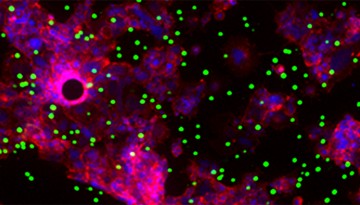
Researchers found that they could use an existing experimental drug to slow metabolism of certain aggressive B-cell lymphomas in lab-dish and animal studies.
Through a partnership with Cornell Cooperative Extension, New York City’s Department for the Aging will provide child development training to volunteers in its Foster Grandparent Program.
Their projects served communities across New York, from improving soil at community farms in New York City to developing an anti-racism curriculum for Hudson Valley teens.