President Martha E. Pollack denounced recent national and local acts of anti-Semitism and called on the Cornell community to be guided by the university’s core values.
Expected graduates from Weill Cornell Medical College and Weill Cornell Graduate School of Medical Sciences received their degrees during a digital commencement ceremony May 20.
A phase 3 clinical trial of treatment for idiopathic pulmonary fibrosis, sponsored by Weill Cornell Medicine, could pave the way for cheaper studies that are easier to conduct.
A team led by researchers at Weill Cornell Medicine and their colleagues has developed a machine learning technique for identifying genetic mutations that trigger the disease.
Arthur Gensler Jr., B.Arch. ’58, a global architect, entrepreneur and founder of a practice that became one of the largest, most successful firms in the industry, died May 10.
A Weill Cornell Medicine research team will receive $1.3 million over five years to address socioeconomic and racial disparities and increase access to clinical trials for underserved patients with blood cancers living in Brooklyn and Queens.
Weill Cornell Medicine researchers say the study’s findings suggest patients with brain bleeds should be screened more aggressively for problems related to clotting disorders.
Maureen Hanson, professor of molecular biology and genetics, and Bernice Grafstein, professor of neuroscience at Weill Cornell Medicine, have been elected to the American Academy of Arts and Sciences.
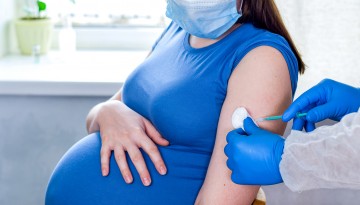
Women who receive COVID-19 mRNA vaccines produced by Pfizer-BioNTech or Moderna while in their third trimester of pregnancy generate a strong immune response and pass protective antibodies to their babies.