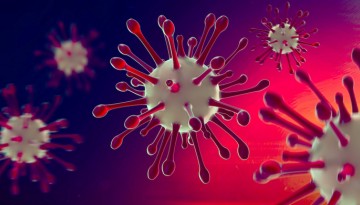
A multidisciplinary team co-led by Weill Cornell Medicine researchers has expanded the repertoire of tools for the public health community to understand SARS-CoV-2 infection.
A team led by investigators at Weill Cornell Medicine and NewYork-Presbyterian has used advanced technology and analytics to map the cellular landscape of diseased lung tissue in severe COVID-19 and other infectious lung diseases.
Radiation therapy appears to increase the expression of genes with mutations that induce an immune response to malignant cells, according to preclinical research by Weill Cornell Medicine.
Cornell experts, including Neil A. Lewis Jr. ’13, assistant professor of communication and social behavior, have been part of several efforts to increase access and increase vaccine confidence, particularly in underserved communities.
Weill Cornell Medicine will launch a suite of innovative programs to foster and sustain a more diverse faculty through the support of the Mastercard Impact Fund.
Red Bear Angels is an active community of 1,000+ Cornell entrepreneurs and about 100 active investors. Angel investing connects entrepreneurs with “angels”—experienced, successful, and passionate investors who are eager to support them.
Excess sugar in the blood, the central feature of diabetes, can react with immune proteins to cause myriad changes in the immune system, including inflammatory changes that promote atherosclerosis, according to a new study.
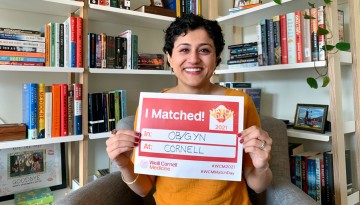
The Weill Cornell Medical College Class of 2021 learned on national Match Day, March 19, where they will be doing their internship and residency training, during the next several years of their medical careers.
President Martha E. Pollack denounced all recent violence against Asians and Asian Americans and encouraged anyone who has experienced or witnessed an act of bias in the Cornell community to report it.