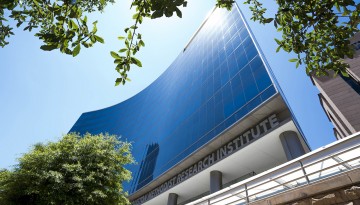
In an expansion of its biomedical education curricula, Weill Cornell Medicine is launching an additional site for graduate programs at Houston Methodist for the 2021-22 academic year.
A new study identifies the mechanism for tolerance to penicillin and related antibiotics in bacteria, findings that could lead to new therapies that boost the effectiveness of these treatments.
Finding innovative solutions for cities’ most pressing problems is a primary goal of the new Urban Tech Hub, part of the Jacobs Technion-Cornell Institute at Cornell Tech.
The discovery of an “Achilles’ heel” in a type of gut bacteria that causes intestinal inflammation in patients with Crohn’s disease may lead to more targeted therapies for the difficult-to-treat disease, researchers have found.
The visiting critic discusses the importance of social design shaped by community partnerships, and a collaboration with AAP students and Black high schoolers in Brooklyn.
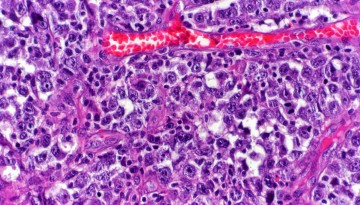
The environment surrounding the cells of a lymphoma tumor has a strong influence on the progression of these blood-cell cancers and their responses to therapies, according to a new study by Weill Cornell Medicine investigators.
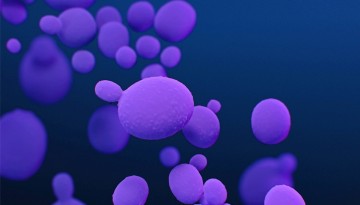
Common fungi, often present in the gut, teach the immune system how to respond to their more dangerous relatives, according to new research from scientists at Weill Cornell Medicine.
A type of cell widely used for brain research and drug development may have been leading researchers astray for years, according to a study from scientists at Weill Cornell Medicine and Columbia University.
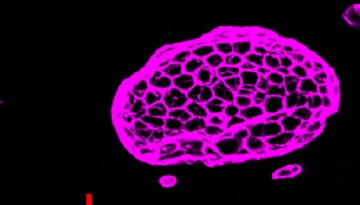
Poor function of the gene SMC3 can lead to improper immune cell development, and to cancer, by disrupting how DNA is structured inside the cell nucleus, according to new research from Weill Cornell Medicine.