From cell-sized robots to the manipulation of human genes, Arts Unplugged: Science of the Very, Very Small on March 9 will explore nanoscale and quantum innovations shaping our future.
The Provost’s Office of Faculty Development and Diversity is accepting nominations for the annual Faculty Award for Excellence in Research, Teaching and Service Through Diversity. The award, to be given to two faculty members, comes with a $15,000 prize.
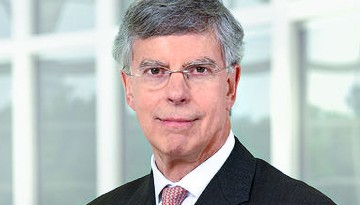
At a Cornell event on Feb. 22, former U.S. Ambassador to Ukraine Bill Taylor said Russian President Vladimir Putin appears intent on provoking a “horrific conflict,” but that he holds out hope for a diplomatic path that would avert all-out war.
Cornell engineers have developed a new tool by combining machine learning and optimization modeling to provide hour-by-hour analysis of New York’s energy needs.
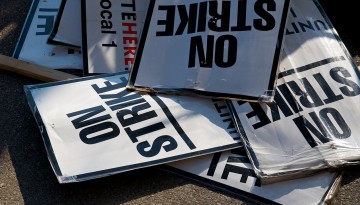
When the ILR Labor Action Tracker kicked off in early 2021, no one anticipated the pace of workplace activism that ensued. Findings include about 265 actions, such as strikes, with more actions in the South than elsewhere.
Language emerges from a continual flow of creative improvisation, not biologically evolved genes or instincts, Morten H. Christiansen and a co-author argue in a new book, “The Language Game.”
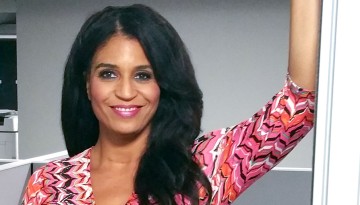
Tiffany Norwood ’89, CEO of Tribetan, has been named Cornell Entrepreneur of the Year 2022. She will be honored on campus April 28-29 at the Entrepreneurship at Cornell Celebration event.
Former U.S. Ambassador to Ukraine Bill Taylor will discuss the latest developments in a region he knows well, at a virtual event on Tuesday, Feb. 22 at 7 p.m.