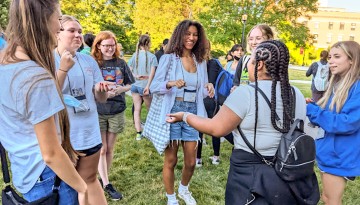
More than 180 young people from across New York state and the Philadelphia area got a taste of campus life and future career paths during the annual 4-H Career Explorations Conference, June 28-30.
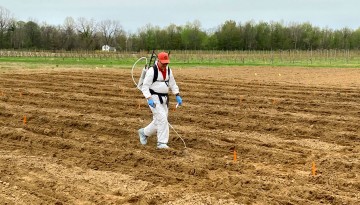
Specialty crop entomologists from Cornell AgriTech and the New York State Integrated Pest Management Program will use a three-year, $450,000 grant from the New York State Department of Agriculture and Markets to evaluate alternatives for controlling insect pests that threaten the state’s $1.4 billion specialty crop industry.
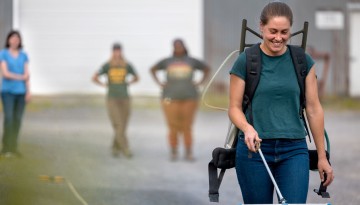
For the students on the Cornell Weed Team, who face endless marijuana wisecracks from nonscientists, competing in the Northeastern Weed Science Society’s tournament in Guelph is no joke.
A three-year, $15 million partnership between Cornell and NewYork-Presbyterian will employ artificial intelligence to help improve outcomes for people with cardiovascular disease.
In a July 10 ceremony at the Statler Hotel, the Cornell Prison Education Program honored graduates released since the start of the pandemic, which curtailed prison-based commencements.
Smart thermostats may be falling into a dumb trap. While these devices save homeowners money, Cornell engineers found they may be prompting unintentional energy spikes on the grid.
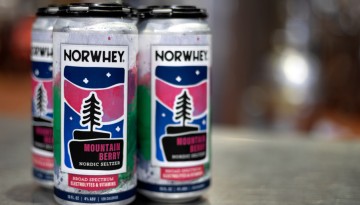
The brand is a triple threat: it’s an alcoholic beverage with a better nutritional profile, it’s made from material that would otherwise go to waste – and it could eventually act as a model for dairy farmers looking for additional revenue.
Fernando Santiago ’86 was recognized for his service in Monroe County, where he leads several nonprofits that assist people in need of food, housing, training and other support.