A new study finds that tariffs on Canadian power could reduce the amount of imported electricity, raise prices, increase carbon emissions and make the power system more vulnerable to extreme weather.
A Cornell-led study finds that wines made from disease-resistant grape varieties, long dismissed by traditionalists, appeal to consumers as much as those made from classic European grapes.
Cornell Cooperative Extension has boosted its support for New York state agritourism as the industry has grown, with the number of participating farms nearly doubling and revenue tripling since 2007.
The Buffalo Co-Lab at Cornell University’s ILR School has received a $1 million donation from James “Jim” E. Miller ’88 and his partner at Miller Shah LLP, James C. Shah.
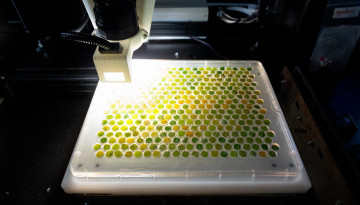
The cutting-edge imaging platform observes microscopic traits in plants and can detect grape diseases that cost vineyard owners billions in annual losses globally.
Cornell and global leaders will come together at Climate Week NYC Sept. 20-27 to discuss some of the world’s most pressing sustainability challenges, including harnessing AI’s power while mitigating its negative impacts.
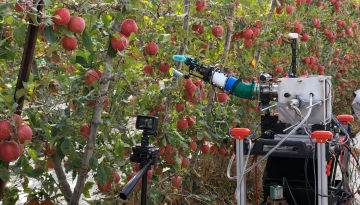
A Cornell-led research project is developing robots that can perform labor-intensive orchard operations; it’s supported by a four-year, $7.5 million grant from the U.S. Department of Agriculture’s Specialty Crop Research Initiative.
Edouard Kopp, chief curator of the Menil Drawing Institute in Houston, has been named the next director of the Herbert F. Johnson Museum of Art at Cornell.