Faculty, students and staff at Cornell Law School are responding to the coronavirus pandemic by giving businesses and workers in central New York legal assistance.
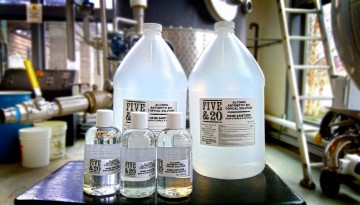
In the battle to keep workers safe during the COVID-19 pandemic, nearly 40 craft distilleries in New York state have turned to making hand sanitizer with guidance from Cornell AgriTech.
Virtual events and resources at Cornell include: Images of Dragon Days past; Cornell experts discuss COVID-19; “Cosmos” and spotlight on women artists at the Johnson Museum; student theater and film updates; and a citizen science project surveying breeding birds.
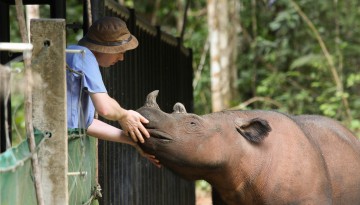
The Cornell College of Veterinary Medicine announces the establishment of the Cornell Wildlife Heath Center, which aims to catalyze multidisciplinary collaboration to address global wildlife health challenges.
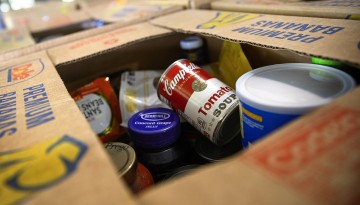
Cornell has partnered with the Food Bank of the Southern Tier and the Greater Ithaca Activities Center to collect and distribute much-needed meals for food-insecure families during the coronavirus pandemic.
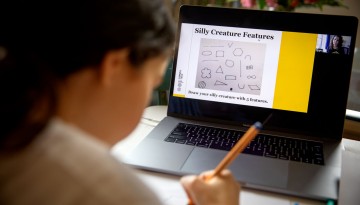
Cornell Tech is creating virtual lessons and daily Twitter challenges to continue promoting computer science education for children in grades K-12, even as the world tackles unprecedented challenges.
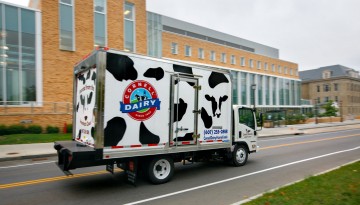
The Cornell Dairy helped to replenish the P&C Fresh after customers made a run on milk when New Yorkers were asked to stay home to keep COVID-19 from spreading.
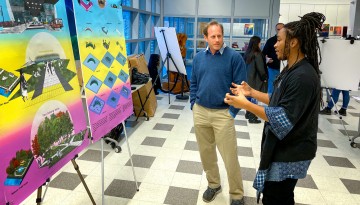
Cornell graduate students studying landscape architecture examined Ossining, New York – a town on the rising Hudson River last fall, and presented ideas for climate-change adaptation.